
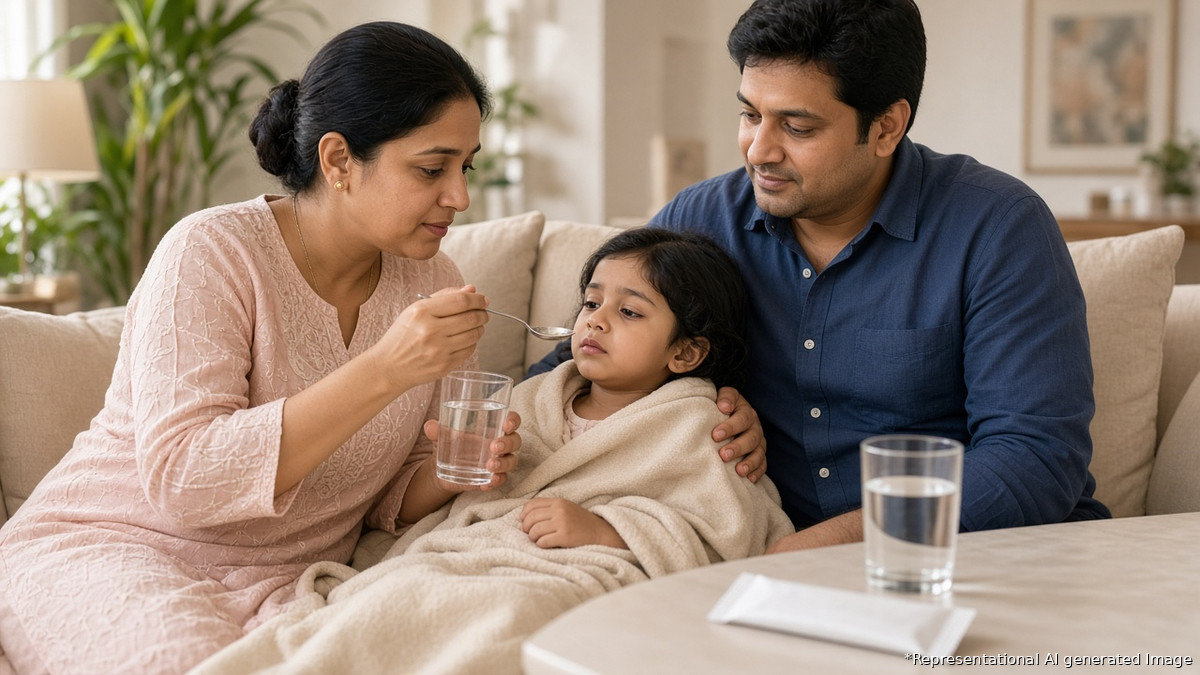
It often starts at night: a cough, a cry, and then the whole dinner on the bedsheet. By morning your child has vomited four times, won’t eat, and you are counting every sip. In my clinic, worried parents with vomiting children become a daily sight as the weather cools. Here is how to get through a stomach bug safely, and how to spot the few cases that need a doctor.
Quick answer: most vomiting in children comes from a viral stomach bug and stops within a day or two. Your main job is to prevent dehydration with small, frequent sips of ORS. Get medical help if your child can’t keep fluids down, shows signs of dehydration, or has green or bloody vomit.
What causes vomiting in children?
The usual culprit is gastroenteritis, an infection of the stomach and intestines, often called the “stomach flu” even though it has nothing to do with influenza. According to Nemours KidsHealth, it is mostly caused by viruses, and the vomiting usually lasts less than 24 hours. The CDC describes norovirus as very contagious, with symptoms starting 12 to 48 hours after exposure. Rotavirus is another major cause in young children. Indian surveillance data published in Indian Pediatrics found rotavirus diarrhoea peaked in the cooler months, highest from December to February, and was most common in children aged 12 to 23 months.
Why it matters: dehydration
The vomiting itself is rarely the danger. The danger is losing water and salts faster than your child can replace them. Babies and toddlers dehydrate fastest because their bodies are small.
Dehydration signs to watch for
- Passing urine less often, fewer wet nappies, or dark urine
- Dry mouth or cracked lips
- Crying with few or no tears
- Unusual sleepiness, irritability, or dizziness on standing
What you can do at home
- Rest the tummy briefly. After a vomit, wait about 15 to 20 minutes before offering anything.
- Use ORS, little and often. Oral rehydration solution (ORS) has the right balance of water, salt and sugar. KidsHealth advises starting with 1 or 2 teaspoons every few minutes. Large gulps often come straight back up. More on ORS in my guide to diarrhoea, ORS and zinc.
- Keep feeding babies. The NHS advises carrying on breast or bottle feeds, with smaller feeds more often if the baby is being sick. Don’t dilute formula.
- Reintroduce food gently. Once vomiting settles, offer small portions of familiar foods such as rice, curd, toast or khichdi. Avoid fruit juice, fizzy drinks and very oily or spicy food.
- Skip unnecessary medicines. Don’t give anti-vomiting medicines unless a doctor recommends them. Antibiotics don’t help viral stomach bugs, as I explain in my note on when kids really need antibiotics.
Stop it spreading
Wash hands with soap and water often, clean surfaces and toilet handles, and wash soiled clothes separately. The NHS advises keeping children home until 48 hours after the last vomit or loose stool.
When to seek medical care
Go to emergency care if your child has green or yellow-green vomit, blood or “coffee-ground” vomit, severe tummy pain, a stiff neck or severe headache, is very drowsy or hard to wake, or is vomiting after a fall or blow to the head (see my guide on head injuries in kids).
See a doctor the same day if your baby is under 12 months, stops feeding, can’t keep fluids down, shows dehydration signs, has a high fever, or has been vomiting for more than 24 hours. If you are unsure, a clinic visit is always reasonable.
Key takeaways
- Most vomiting in children is a viral stomach bug that passes in a day or two.
- Small, frequent sips of ORS prevent dehydration better than big drinks.
- Keep breastfeeding or formula feeding, and return to light foods once vomiting settles.
- Watch urine output, tears and alertness closely.
- Green or bloody vomit, severe pain, drowsiness or poor fluid intake need a doctor.
Frequently asked questions
What should I give my child after vomiting?
Wait about 15 to 20 minutes after your child vomits, then give oral rehydration solution (ORS) in small sips: 1 or 2 teaspoons every few minutes. If that stays down, slowly give more. Babies can keep breastfeeding or formula feeding in smaller, more frequent feeds.
How long does a stomach bug last in children?
Most viral stomach bugs settle quickly. Vomiting usually stops within 1 to 2 days, while loose motions can last up to 5 to 7 days. Vomiting that lasts more than 24 hours in a young child, or more than 2 days in anyone, needs a doctor.
What are the signs of dehydration in a child?
Watch for passing urine less often or fewer wet nappies, dark urine, a dry mouth or cracked lips, crying with few or no tears, sunken eyes, dizziness, and unusual sleepiness or irritability. A child with these signs needs a doctor’s review.
When is vomiting in a child an emergency?
Go to emergency care at once if the vomit is green or yellow-green, contains blood or looks like coffee grounds, or if your child has severe tummy pain, a stiff neck, a severe headache, vomiting after a head injury, is very drowsy or hard to wake, or cannot keep any fluids down.
Disclaimer: This article is for general information and does not replace a medical consultation. Please see your pediatrician for advice about your child.



Leave a Reply