
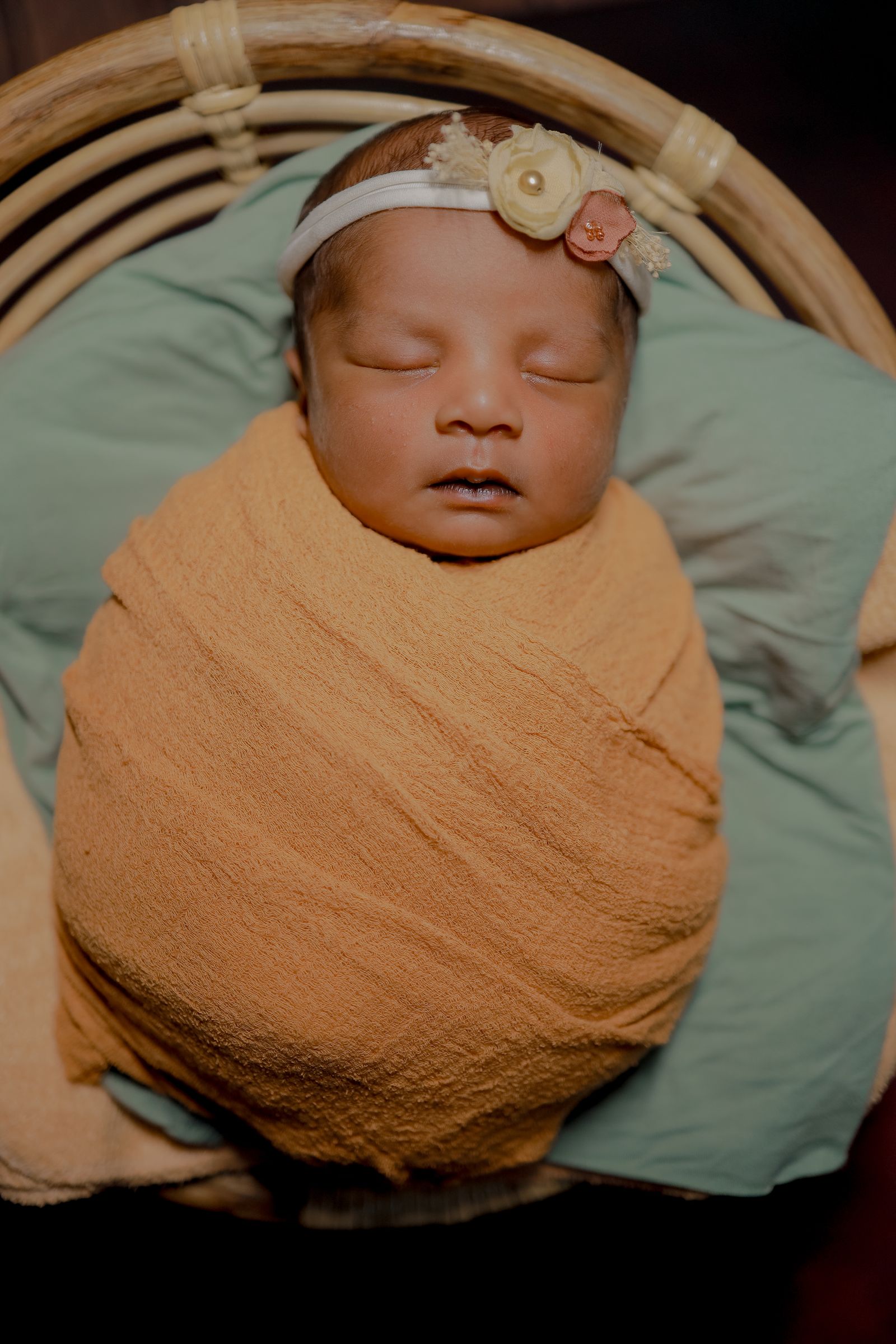
Few things rattle a new parent like a warm forehead on a tiny baby. You check again, wait a minute, and suddenly every cough and whimper feels louder. A 2026 review in JAMA Pediatrics helps put one common worry in perspective: among babies aged about 2 to 3 months who have fever but look reasonably well, truly dangerous bacterial infections in the blood or brain are uncommon—but they are not zero. That balance is why I still ask families to seek care early rather than “wait and watch” alone at home.
You can find the paper here: Prevalence of Invasive Bacterial Infections Among Febrile Infants Aged 60 to 90 Days (JAMA Pediatrics, 2026).
What the research found
Researchers pooled 20 studies covering more than 34,800 well-appearing infants aged 60–90 days with fever. Invasive bacterial infection—bacteria in the bloodstream or in the fluid around the brain and spinal cord—occurred in roughly 1.1% of these babies. About 1% had bacteremia (bacteria in the blood). Bacterial meningitis was rarer, around 0.1%.
In plain words: most febrile 2–3 month olds who look well do not have a life-threatening bacterial infection. Many have common viruses. But because meningitis and bloodstream infection can worsen quickly at this age, “looking okay right now” is not a reason to skip a proper medical check.
Why fever under 3 months is special
Young infants have immature immune systems and can deteriorate faster than older children. The American Academy of Pediatrics advises that a temperature of 38°C (100.4°F) or higher in a baby younger than 3 months needs prompt medical evaluation—even if the baby seems relatively fine. Do not give fever medicine first and hope it settles; get assessed, then follow the doctor’s plan.
Parent-friendly guidance is also available from HealthyChildren.org (AAP).
What you can do
- Measure carefully. Use a reliable digital thermometer. Note the reading, the time, and how your baby is feeding, peeing, and breathing.
- Offer frequent feeds (breast milk or formula) and count wet nappies.
- Dress lightly in a cool room; avoid heavy bundling.
- Do not give aspirin, and avoid any medicine under 3 months unless your doctor specifically advises it.
If you are unsure whether the temperature truly counts as fever, or your baby seems “not himself,” it is safer to speak with your paediatrician than to second-guess alone overnight.
Seek urgent care now if
- Fever in any baby under 3 months
- Fast, hard, or noisy breathing; ribs pulling in; pauses in breathing
- Poor feeding, fewer wet nappies, dry mouth, or no tears
- Unusual sleepiness, difficulty waking, or a weak/high-pitched cry
- A rash that does not fade when pressed, bluish lips, seizures, or a stiff neck
- A baby who looks mottled, grey, or suddenly worse after the fever comes down
Takeaways
- Fever at 2–3 months is often viral—but serious bacterial infection still happens in about 1 in 100 well-appearing febrile babies in this age band.
- Meningitis is uncommon (~0.1%) yet high-stakes, so early evaluation matters.
- Treat 38°C / 100.4°F under 3 months as a same-day medical check, not a home experiment.
- What I tell every parent: trust your instinct. A baby who “doesn’t look right” deserves care even if the thermometer is only borderline.
Frequently asked questions
What temperature counts as a fever in a baby under 3 months?
A temperature of 38°C (100.4°F) or higher. At this age it needs prompt medical evaluation, even if the baby seems relatively fine.
Should I give my baby fever medicine first?
No. Do not give fever medicine first and hope it settles. Get your baby assessed, avoid any medicine under 3 months unless your doctor specifically advises it, and never give aspirin.
How common is a serious infection in a 2–3 month old with fever?
In the 2026 JAMA Pediatrics review, invasive bacterial infection occurred in about 1.1% of well-appearing febrile infants aged 60–90 days, roughly 1 in 100. Meningitis was rarer, around 0.1%. Most have common viruses, but a proper check is still needed.
Which signs in a feverish baby need urgent care?
Fast, hard or noisy breathing, poor feeding or fewer wet nappies, unusual sleepiness or a weak or high-pitched cry, a rash that does not fade when pressed, bluish lips, seizures, a stiff neck, or a baby who looks mottled or grey.
This article is for general parent education and is not a substitute for personal medical advice, diagnosis, or treatment. Always consult your paediatrician for decisions about your child’s fever and care.
Sources: JAMA Pediatrics (2026) DOI 10.1001/jamapediatrics.2026.1815; JAMA Network article page; AAP HealthyChildren — Fever and Your Baby; AAP — When to Call the Pediatrician.

Leave a Reply