
Medically reviewed by Dr. Vannala Raju, Pediatrician & Neonatologist · Last updated 13 October 2026
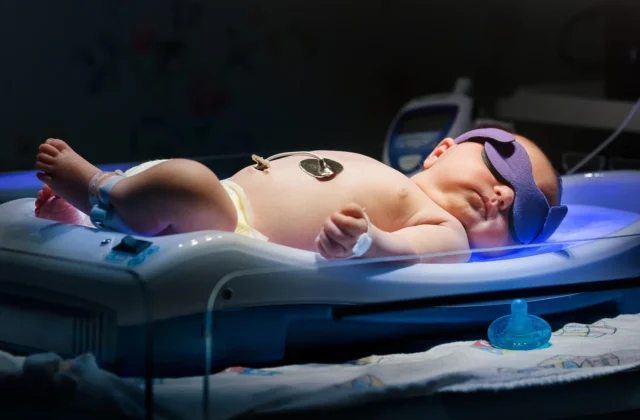
In my NICU work, parents of very preterm babies often hear one word more than any other: caffeine. For years, neonatologists have used caffeine citrate to treat apnea of prematurity—those brief pauses in breathing that are common when a baby is born early. A new randomized trial from China, published in BMC Pediatrics (2026), asks a sharper question: does giving caffeine right after birth, before apnea even starts, better protect the lungs than waiting until breathing problems appear?
The answer, in this study, was yes—for a clinically important outcome that parents care about deeply.
What the trial tested
Researchers enrolled 372 infants born before 32 weeks of gestation. Half received prophylactic caffeine soon after birth (loading dose 20 mg/kg, then 10 mg/kg daily). The other half received the same doses only after apnea was diagnosed—the traditional “treat when needed” approach.
The primary endpoint was the composite of bronchopulmonary dysplasia (BPD)—chronic lung disease of prematurity—at 36 weeks postmenstrual age, and/or death before hospital discharge.
- Prophylactic group: BPD or death in 37.1% (69 of 186)
- Therapeutic (wait-for-apnea) group: 47.3% (88 of 186)
- Relative risk 0.77 (95% CI 0.62–0.95; P = 0.013)
In plain terms: roughly one fewer infant with BPD or death for about every ten babies treated early rather than reactively. The benefit held up across several sensitivity analyses. It looked especially helpful in babies who were less severely compromised at the start—for example, those not intubated in the delivery room or managed mainly with noninvasive support.
Why early timing may matter
Caffeine stimulates breathing, but its lung-protective story is broader. Stabilizing the respiratory drive early can reduce cycles of apnea, low oxygen, and escalation of ventilatory support—the very stressors that injure immature lungs. Laboratory and clinical experience also point to anti-inflammatory effects. Waiting until apnea is obvious may mean missing a window when the lung is still more protectable.
Safety signals were mostly reassuring. Rates of necrotizing enterocolitis, severe brain hemorrhage, retinopathy of prematurity, and late-onset sepsis did not differ meaningfully between groups. One caveat: babies in the early-caffeine arm received slightly more blood transfusions on average—a small difference whose clinical meaning is still uncertain, and something NICU teams already monitor closely.
What this means for families
This was a single-center trial, so wider confirmation will strengthen practice change. Even so, it adds high-quality randomized evidence to a growing body of work suggesting that when we start caffeine can matter as much as whether we use it. Many units already lean toward early caffeine in very preterm infants; these data support that instinct with clearer numbers.
If your baby was born early and is in a NICU, what I tell parents is that it is reasonable to ask the team: When was caffeine started, and what is the plan for lung protection? Good questions are part of partnership, not second-guessing. If your hospital offers it, zero-separation care—where mothers stay with their preterm babies around the clock—is worth asking about too, and after discharge very preterm babies may qualify for second-season RSV protection. For personalized counseling about prematurity, breathing, and follow-up after discharge, you can book a consultation with Dr. Vannala Raju.
Frequently asked questions
Why is caffeine given to preterm babies?
Caffeine citrate has long been used to treat apnea of prematurity, the brief pauses in breathing that are common in babies born early. It stimulates breathing and may also have anti-inflammatory effects that help protect the lungs.
What did the new early caffeine trial find?
In 372 infants born before 32 weeks, bronchopulmonary dysplasia or death occurred in 37.1% of babies given caffeine soon after birth versus 47.3% of those given it only after apnea appeared—roughly one fewer affected baby for about every ten treated early. It was a single-centre trial, so wider confirmation will help.
Is early caffeine safe for preterm babies?
In this trial, rates of necrotizing enterocolitis, severe brain haemorrhage, retinopathy of prematurity and late-onset sepsis did not differ meaningfully. Babies given early caffeine received slightly more blood transfusions on average, which NICU teams monitor closely.
What should I ask the NICU team about caffeine?
It is reasonable to ask when caffeine was started and what the plan is for lung protection. Good questions are part of partnership with the team.
Sources
- Tao F, et al. Prophylactic administration of caffeine reduces bronchopulmonary dysplasia in very preterm infants: a single-center, randomized controlled trial. BMC Pediatrics (2026). DOI: 10.1186/s12887-026-07625-5
- Scienmag summary of the trial (12 Sep 2026): Early caffeine and chronic lung disease risk
- Background on caffeine and BPD (earlier evidence): Schmidt B, et al. Caffeine therapy for apnea of prematurity. N Engl J Med (2006). PubMed 16675709
Disclaimer: This article is for general health information and education. It is not a substitute for personalized medical advice, diagnosis, or treatment. Always consult your pediatrician or neonatologist for decisions about your child’s care.
— Dr. Vannala Raju, Pediatrician & Neonatal Specialist


Leave a Reply