
Medically reviewed by Dr. Vannala Raju, Pediatrician & Neonatologist · Last updated 26 October 2026
Dear parents,
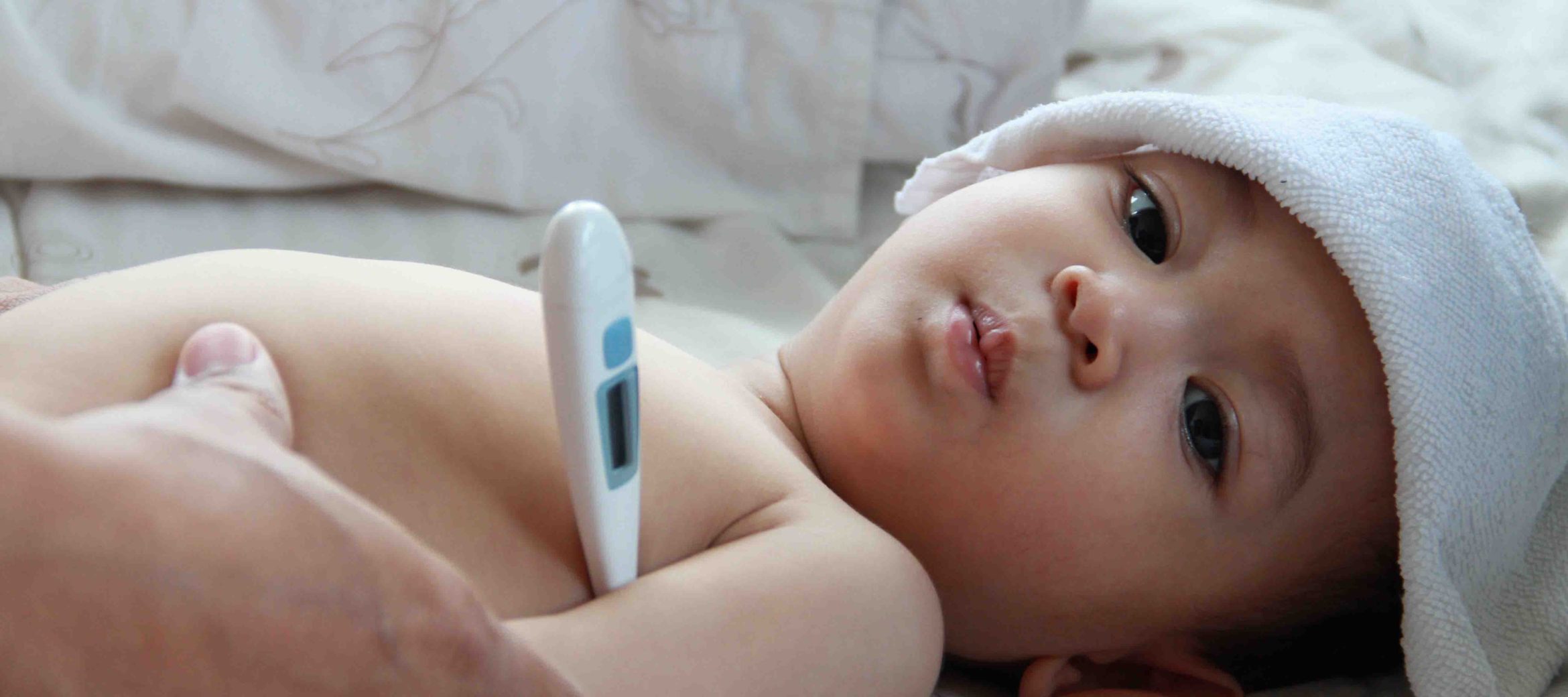
Dengue is a viral infection spread by the bite of an infected Aedes mosquito, which often bites during the day. Most children who get dengue recover well. A smaller number can suddenly become very sick—this is why, in my practice, careful watching and timely blood tests matter so much.
What causes dengue?
Dengue is caused by dengue viruses (four related types). After a mosquito bite, symptoms—if they appear—usually start in about 4–10 days. There is no specific antiviral medicine for dengue; care focuses on rest, fluids, fever control with paracetamol (not ibuprofen or aspirin unless your doctor advises otherwise), and early detection of danger signs. See the WHO dengue fact sheet for a clear overview.
Common symptoms
Many infections are mild or even without symptoms. When dengue does cause illness, children may have:
- High fever
- Headache, pain behind the eyes, body or joint pains
- Nausea or vomiting
- Rash
- Tiredness and poor appetite
Illness often lasts a few days to about a week. Details on typical features and phases are also summarized by the CDC clinical signs page.
Most dengue is not dangerous—but some cases worsen fast
Here is the key message for parents: most children improve, yet a few enter a short “critical” window around the time the fever starts to settle (often after day 3 of illness). In that window, fluid can leak from blood vessels, platelets can fall, and a child who looked better can become pale, restless, or shocked within hours.
A second dengue infection later in life can raise the chance of severe disease. Severe dengue can cause shock, breathing difficulty from fluid buildup, serious bleeding, or organ strain—and it needs hospital care. WHO lists warning signs such as severe belly pain, persistent vomiting, bleeding from gums or nose, unusual sleepiness or irritability, cold/pale skin, and rapid breathing (WHO Q&A).
Why frequent blood tests matter
Blood counts help us see what the eye cannot. In dengue, doctors often track:
- Platelets (can fall)
- White cells (often low)
- Hematocrit (can rise when fluid leaks out of the blood vessels)
A rising hematocrit with falling platelets is an important clue of plasma leakage risk. That is why, in active dengue or suspected dengue, we may repeat blood tests over a few days—not to scare you, but to catch a rapid change early. CDC clinical care guidance emphasizes close monitoring during the critical phase, including laboratory trends that guide fluid decisions (CDC clinical care).
Never give aspirin or routine anti-inflammatory painkillers like ibuprofen for suspected dengue unless your doctor specifically says so—these can increase bleeding risk.
Prevention at home
- Empty or cover water in pots, coolers, flower trays, and discarded containers every few days
- Use screens, nets, and day-time bite protection (especially for infants and young children)
- Encourage full-sleeve clothing when mosquitoes are active
- Seek care early for fever with dengue-like features—don’t wait for “day 7 panic”
For other monsoon illnesses to watch for, see my pediatrician’s guide to rainy season health issues in children.
When to get help
Contact a doctor urgently if your child has dengue or suspected dengue and develops belly pain, repeated vomiting, bleeding, extreme sleepiness, cold limbs, breathing difficulty, or is not passing urine well. If you want a pediatric review during a febrile illness, you can schedule a visit and we will guide testing and next steps.
After the monsoon, fever with a rash or a black scab can also be scrub typhus in kids.
Frequently asked questions
What are the warning signs of severe dengue in children?
Severe belly pain, persistent vomiting, bleeding from the gums or nose, unusual sleepiness or irritability, cold or pale skin, rapid or difficult breathing, and not passing urine well. Contact a doctor urgently if any of these appear.
When is dengue most dangerous?
Around the time the fever starts to settle, often after day 3 of illness. In this critical window fluid can leak from blood vessels and platelets can fall, so a child who looked better can become unwell within hours.
Why does the doctor repeat blood tests in dengue?
To track platelets, white cells and hematocrit. A rising hematocrit with falling platelets is an important clue of plasma leakage, so repeat tests help catch a rapid change early.
What medicine can I give my child for dengue fever?
Paracetamol for fever, with rest and fluids. Avoid ibuprofen and aspirin unless your doctor specifically advises them, because they can increase bleeding risk.
This article is for education only and is not a substitute for personal medical advice. Please consult your pediatrician for your child’s care.
Sources
- WHO — Dengue and severe dengue (fact sheet)
- WHO — Dengue and severe dengue (Q&A)
- CDC — Clinical features of dengue
- CDC — Clinical care of dengue
- BMJ — Assessment and management of dengue (2025)
— Dr. Vannala Raju, Pediatrician & Neonatal Specialist



Leave a Reply