
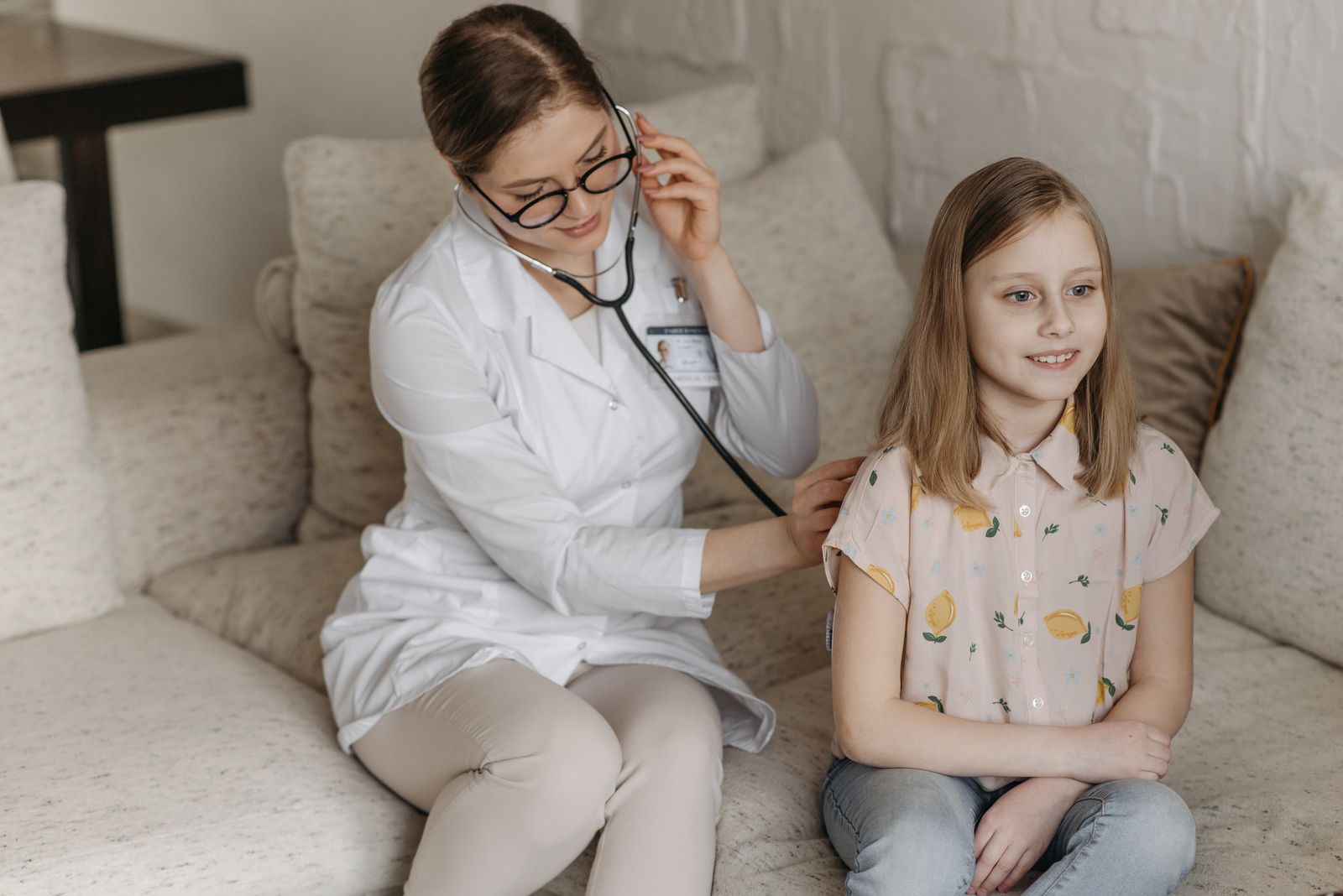
After the monsoon, many families see more coughs and colds as children return to classrooms and indoor play. Most settle with rest and fluids. Sometimes, though, a simple cold tips into pneumonia—an infection of the lungs that needs closer attention. In my clinic, parents often ask me how to tell an ordinary cough from something more serious—knowing the warning signs helps you act early without panic.
What pneumonia means for a child
Pneumonia is an infection of the small air sacs in the lungs (the alveoli). Those sacs can fill with fluid or pus, so breathing becomes harder and the body gets less oxygen. According to the World Health Organization (WHO), pneumonia can be caused by viruses, bacteria, or fungi. Common bacterial culprits in children include Streptococcus pneumoniae and Hib (Haemophilus influenzae type b); viruses such as RSV are also frequent. The American Academy of Pediatrics explains on HealthyChildren.org that many cases follow a viral upper-respiratory infection, and that fall through early spring—when children cluster indoors—is a typical season.
What parents should watch for
Fever, cough, tiredness, and a reduced appetite are common. Babies may look pale, floppy, or cry more than usual. Breathing changes matter most:
- Fast or laboured breathing — WHO guidance for under-fives highlights fast breathing or lower chest-wall indrawing (the chest pulls in between the ribs when the child breathes in) as key signs when there is cough or difficult breathing.
- Retractions and nostril flaring — skin sucking in around the ribs or breastbone, or nostrils widening with each breath.
- Chest pain with coughing or deep breaths, or wheezing.
- Pale, gray, or bluish lips or nail beds (depending on skin tone) — a sign of low oxygen that needs urgent care.
- Poor feeding or drinking, unusual sleepiness, or—in very sick infants—inability to feed, hypothermia, or convulsions.
What you can do at home—and when to seek care
If your child has a mild cold without breathing difficulty, offer fluids, rest, and fever care as your paediatrician advises. Do not use codeine or dextromethorphan cough suppressants; coughing helps clear secretions. Viral pneumonia often improves over a few days, though the cough can linger for weeks. Because it can be hard to tell viral from bacterial infection at home, your doctor may prescribe an antibiotic—finish the full course even if your child feels better quickly.
Seek urgent care or go to the emergency department if there is struggling for each breath, chest retractions, blue/gray lips or nails, pauses in breathing, seizures, extreme lethargy, or an infant who cannot feed or drink. Call your paediatrician sooner for babies under six months with fever or breathing changes, children with asthma or other lung problems, or if fever persists or returns after a few days of treatment. When you want a calm face-to-face review, you can book an appointment.
Prevention that really helps
Stay current on vaccines that protect against important causes of pneumonia—pneumococcal conjugate, Hib, measles, and whooping cough (pertussis)—on the schedule your paediatrician recommends. Exclusive breastfeeding for the first six months, good nutrition, handwashing, smoke-free home air, and keeping sick contacts at a sensible distance all lower risk.
Parent takeaways
- Most coughs are not pneumonia; watch breathing effort, colour, and feeding closely.
- Fast breathing, chest pulling in, blue/gray lips, or an infant who cannot feed need urgent care.
- Vaccines and everyday hygiene remain the strongest everyday protection.
What I tell parents is simple: watch how your child is breathing, not just how much they are coughing—and if breathing looks hard, do not wait.
Frequently asked questions
How can I tell if my child’s cough is pneumonia?
Most coughs are not pneumonia. Signs that point towards it include fast or laboured breathing, the chest pulling in between the ribs, nostril flaring, fever with tiredness, chest pain when coughing, and poor feeding. A doctor’s examination is needed to confirm it.
What are the emergency signs of pneumonia in a child?
Seek urgent care for struggling to breathe, chest retractions, blue or grey lips or nail beds, pauses in breathing, seizures, extreme lethargy, or an infant who cannot feed or drink.
Does pneumonia in children always need antibiotics?
Not always. Viral pneumonia often improves over a few days, although the cough can linger for weeks. Because it is hard to tell viral from bacterial infection at home, your doctor may prescribe an antibiotic; if so, finish the full course even if your child feels better quickly.
How can I protect my child from pneumonia?
Keep vaccines up to date, including pneumococcal conjugate, Hib, measles and whooping cough vaccines. Exclusive breastfeeding for the first six months, good nutrition, handwashing and a smoke-free home also lower the risk.
This article is for general information and parent education. It is not a substitute for personal medical advice. Always discuss your child’s symptoms with a qualified clinician.
Sources: WHO — Pneumonia in children; HealthyChildren.org / AAP — Pneumonia in Children.

Leave a Reply