
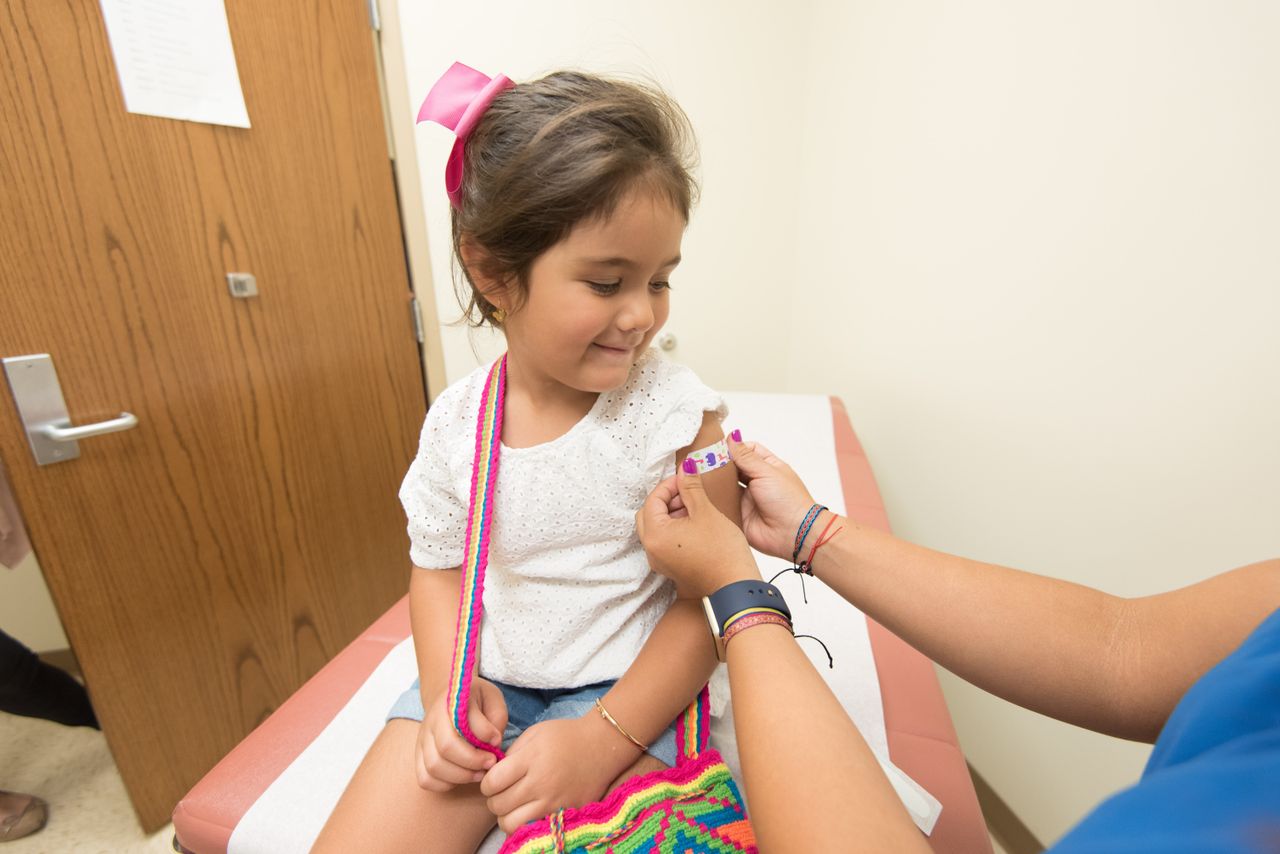
As cooler mornings and school routines settle in after the monsoon, flu season questions start again in my clinic: Does my child really need a flu shot every year? My answer, backed by fresh guidance from the American Academy of Pediatrics (AAP) for 2026–2027, is yes—for nearly every child from 6 months of age upward. Here is what that means in plain parent language.
What the flu shot is—and why it matters
Influenza (“flu”) is a viral infection that can cause fever, cough, body aches, and fatigue. It is not “just a bad cold.” According to the U.S. Centers for Disease Control and Prevention (CDC), children younger than 5 years—especially those under 2—and children with conditions such as asthma or diabetes face a higher risk of flu complications, including ear infections, pneumonia, dehydration, and hospital stays. Healthy older children can get very sick too, and they can pass the virus to babies who are still too young for the vaccine.
What AAP and IAP recommend this season
In its 2026–27 flu recommendations for parents, the AAP urges annual influenza vaccination for all children 6 months and older who do not have a medical reason to skip it. Any licensed flu vaccine suitable for your child’s age and health can be used; the AAP does not prefer one brand over another. Offer the dose as soon as vaccine is available. Your paediatrician will usually align timing with the local season and the latest available strains. I covered the shot-versus-nasal-spray question and antiviral timing in more detail in my earlier post on the flu vaccine for kids for 2026–2027.
The Indian Academy of Pediatrics (IAP) 2025 immunization update also supports flu vaccination from 6 months and notes the shift to trivalent (three-strain) vaccines now that influenza B/Yamagata has essentially disappeared worldwide. AAP and IAP are aligned: yearly flu protection for young children remains worthwhile.
How many doses does my child need?
- Ages 6 months through 8 years: Some children need two doses at least four weeks apart—especially if this is their first flu season, they have only ever had one prior dose, or their history is unclear.
- Age 9 and older: Usually one dose each season.
- Babies under 6 months: Too young for the flu shot. Protect them by vaccinating pregnant parents (when advised), breastfeeding parents, and the rest of the household.
It takes about two weeks after the final dose for good protection—so start early if two doses are needed.
What parents can do now
- Ask at your next visit whether this season’s flu vaccine is in stock and whether your child needs one dose or two.
- Keep handwashing and “cover coughs” habits strong; they reduce flu and other winter viruses.
- If your child has asthma, heart disease, a neurologic condition, or another chronic illness, treat the flu shot as a priority.
- If flu-like illness starts (fever, cough, marked tiredness), call your paediatrician early—especially for high-risk children—because antiviral medicines, when used, work best soon after symptoms begin.
When to seek care
Seek urgent care if your child has trouble breathing, chest pulling in, bluish lips, extreme sleepiness, repeated vomiting and cannot keep fluids down, or seizures. Infants under 3 months with fever always need prompt assessment. For routine planning—dose number, timing, or catch-up—you can book an appointment.
Flu vaccines do not cause the flu. In my practice, I see them as one of the simplest yearly steps that cut doctor visits, school absences, and the risk of severe illness. Ask about the shot for every child 6 months and older, and protect younger babies by immunizing the family around them.
Frequently asked questions
Does my child need a flu shot every year?
Yes. Annual flu vaccination is recommended for all children 6 months and older who do not have a medical reason to skip it, and the AAP and IAP are aligned on this. Offer the dose as soon as the season’s vaccine is available.
Why do some children need two doses of flu vaccine?
Children aged 6 months through 8 years may need two doses at least four weeks apart—especially in their first flu season, if they have only ever had one prior dose, or if their history is unclear. Children 9 years and older usually need one dose each season.
How can I protect a baby who is too young for the flu shot?
Babies under 6 months are too young for the vaccine. Protect them by vaccinating pregnant parents when advised, breastfeeding parents, and the rest of the household.
Can the flu shot give my child the flu?
No. Flu vaccines do not cause the flu. It takes about two weeks after the final dose for good protection, so start early if two doses are needed.
This article is for general information and parent education. It is not a substitute for personal medical advice. Always discuss your child’s vaccines and symptoms with a qualified clinician.
Sources: HealthyChildren.org / AAP — Flu Prevention & Treatment Recommendations for 2026-27; AAP Pediatrics — Recommendations for Prevention and Control of Influenza in Children, 2026–2027; CDC — Flu and Children; IAP-ACVIP Immunization Schedule (2025) update (Indian Pediatrics).




Leave a Reply