
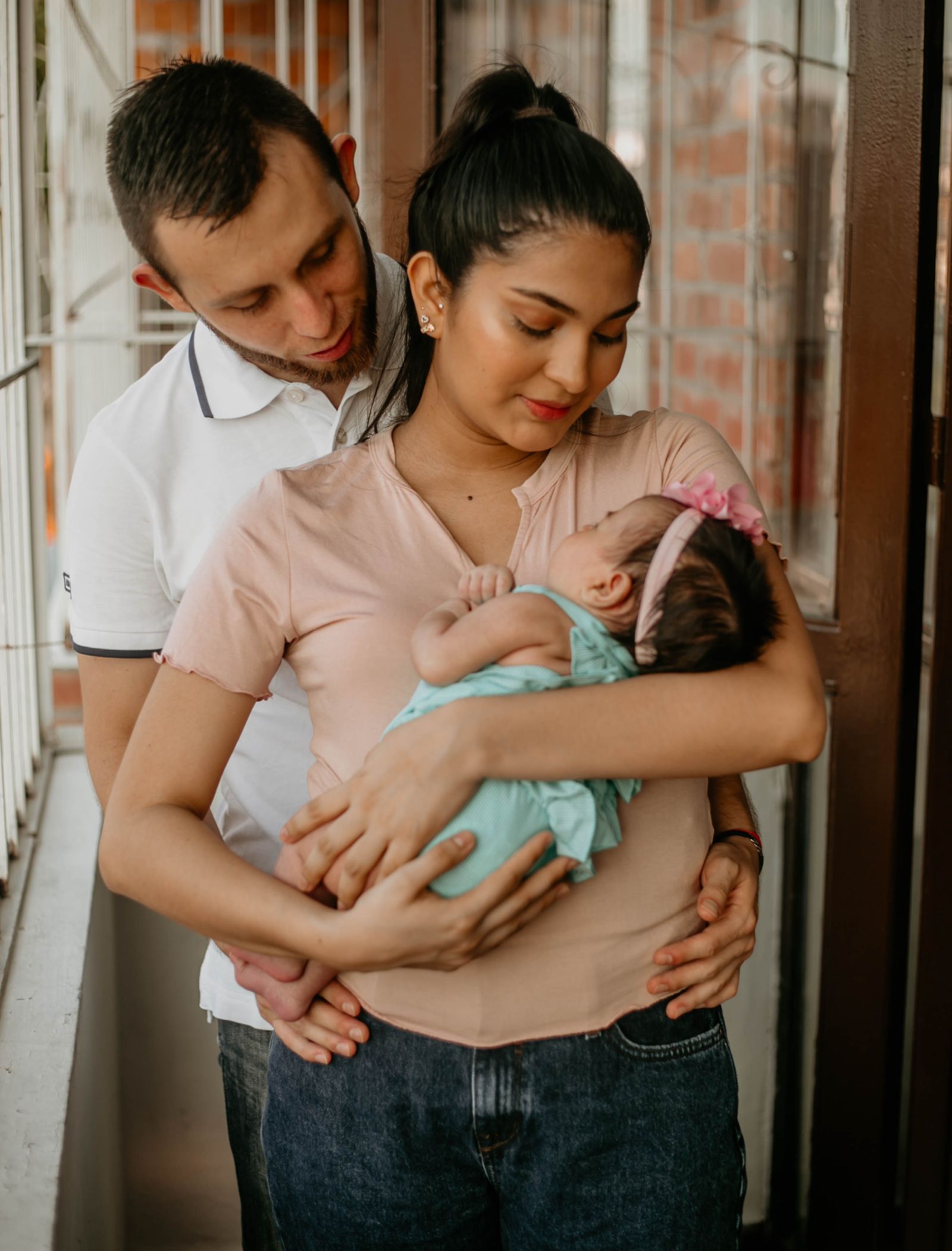
When your baby gets that first hepatitis B shot in the delivery room, it can feel like a lot—especially when you are still catching your breath as new parents. I want to share some reassuring news from a new Indian Phase IV study: a widely used Indian vaccine, BEVAC®, protected nearly all babies who completed the early schedule, with only mild side effects and no serious vaccine-related problems reported.
What the new research found
Researchers published a multicentre, randomised Phase IV trial in the open-access journal Viruses (MDPI) comparing Biological E’s monovalent recombinant hepatitis B vaccine BEVAC® with another licensed Indian vaccine (GeneVac-B®). The study enrolled 468 healthy term newborns across seven Indian sites. Babies received three 0.5 mL intramuscular doses: at birth (within 24 hours), at 6 weeks, and at 14 weeks.
About a month after the third dose (Day 126), 98.2% of infants in the BEVAC® group had protective antibody levels (anti-HBs ≥10 mIU/mL), compared with 99.1% in the comparator group. The difference met the study’s non-inferiority goal. Common reactions—mainly mild fever, injection-site pain, or swelling—occurred in about 29% of BEVAC® recipients and were mild to moderate. No serious adverse events were reported. BEVAC® has been used in India for more than a decade and is WHO-prequalified.
You can read the full paper here: doi.org/10.3390/v18040472.
Why the birth dose matters
Hepatitis B is a virus that can quietly damage the liver over years. Babies who catch it early—often around birth from a mother who has the infection, or later from household contact—are more likely to develop long-term (chronic) infection than older children or adults.
That is why timing matters. WHO recommends a monovalent hepatitis B birth dose as soon as possible, ideally within 24 hours. India’s Universal Immunization Programme follows the same principle: a birth dose preferably within 24 hours, followed by later doses in the infant schedule. The CDC likewise emphasises that hepatitis B vaccine is safe and effective, and that all infants should start the series at birth.
What parents can expect
- A small shot in the thigh soon after birth (and later doses as per your baby’s card).
- Mild fussiness, low-grade fever, or a sore thigh for a day or two in some babies—usually settles with comfort care.
- Strong protection for most babies who complete the series on time—this new Indian data sits alongside long-standing global evidence.
What you can do
- Ask the birth team whether the hepatitis B birth dose was given, and note the time on your baby’s vaccination card. While you are there, confirm the newborn hearing screen is done too—I explain why in my post on congenital CMV and newborn hearing.
- Keep the follow-up doses on schedule (in India’s UIP these typically continue with the infant immunisation visits).
- If you know—or worry—that mother has hepatitis B, tell the obstetric and newborn teams early; extra steps (including immunoglobulin when advised) may be needed promptly.
- For personalised guidance on your newborn’s immunisation plan, you can book an appointment with Dr. Vannala Raju.
When to seek care
Call your paediatrician promptly if your baby has a high or lasting fever, unusual lethargy, poor feeding, breathing difficulty, a rash that worries you, or swelling/redness that is spreading at the injection site. Vaccine reactions are usually mild—but, as I tell every new parent, newborns deserve a low threshold for review.
Frequently asked questions
When should my newborn get the hepatitis B vaccine?
The first dose should be given at birth, ideally within 24 hours, as recommended by the WHO and India’s Universal Immunization Programme. Later doses follow the infant immunisation visits; in this study they were given at 6 and 14 weeks.
How well does the BEVAC hepatitis B vaccine work?
In the Indian Phase IV trial, 98.2% of babies who received BEVAC had protective antibody levels after three doses, compared with 99.1% with the comparator vaccine, meeting the study’s non-inferiority goal. BEVAC is WHO-prequalified and has been used in India for more than a decade.
What side effects can the hepatitis B vaccine cause in babies?
About 29% of babies in the BEVAC group had mild to moderate reactions, mainly mild fever, injection-site pain or swelling. No serious adverse events were reported.
What if the mother has hepatitis B?
Tell the obstetric and newborn teams early. Extra steps, including immunoglobulin when advised, may be needed promptly after birth.
This article is for general parent information based on published research and public-health guidance. It is not a substitute for personal medical advice for your child.
Sources: MDPI Viruses — BEVAC® Phase IV trial (2026); WHO Hepatitis B vaccines position paper; CDC — Hepatitis B perinatal vaccine information; India’s Universal Immunization Programme birth-dose guidance (NHM/MoHFW).


Leave a Reply