
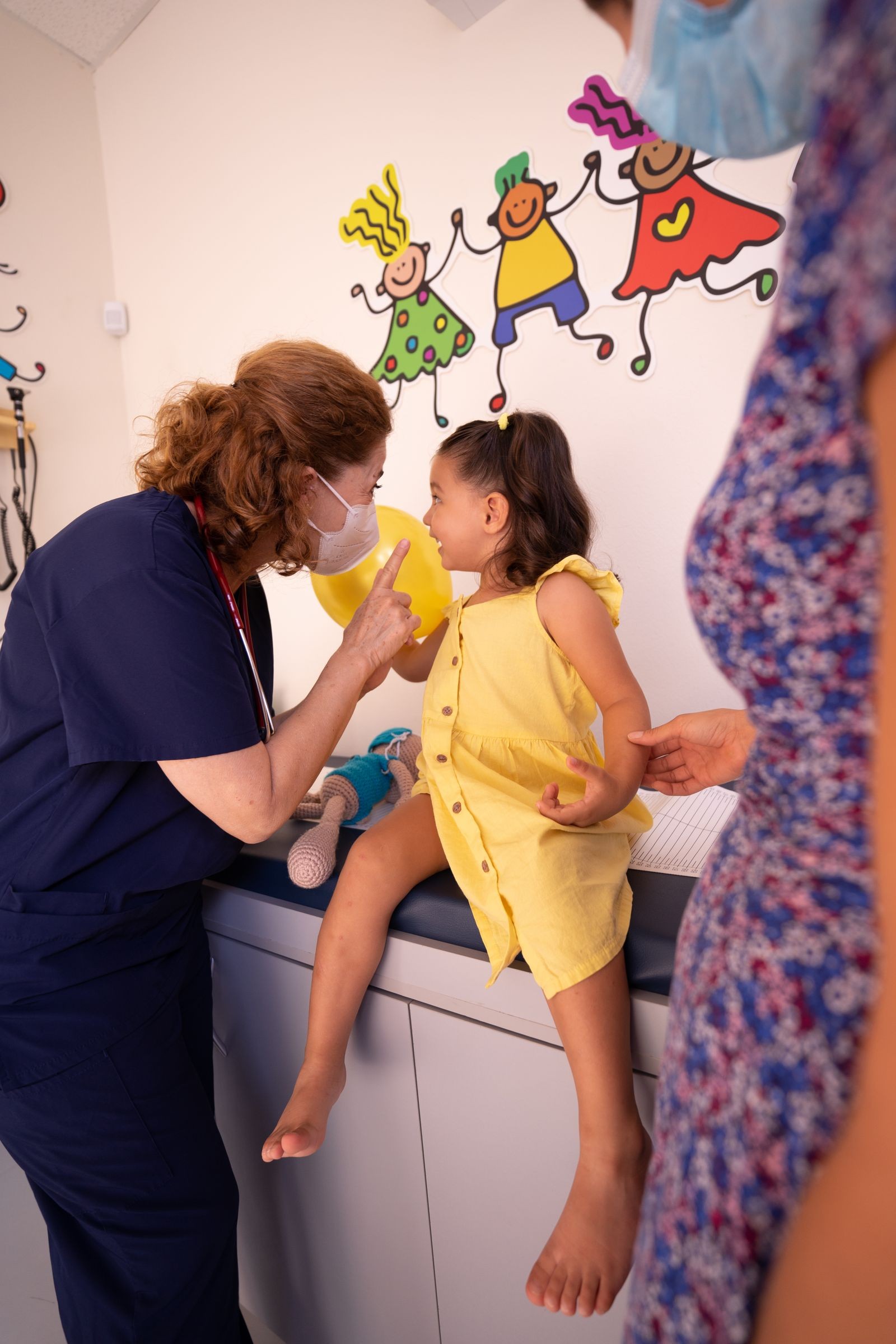
In my practice, parents often ask whether they should give paracetamol before or right after a shot. Mild fever after vaccination is common and usually short-lived. India’s national immunisation guidance is clear: give syrup paracetamol only if fever develops—not as a routine “prevention” dose. Comfort measures come first; seek care quickly if danger signs appear.
- Key fact: Fever after many routine shots often starts within 24 hours; measles-containing vaccines can cause fever about 6–12 days later.
- Key fact: Give paracetamol for post-vaccine fever (about 38°C / 100.4°F or feels hot)—not prophylactically.
- Key fact: Use the correct age- or weight-based syrup dose; maximum four doses in 24 hours, at least four hours apart.
Why do children get fever after vaccines?
Vaccines train the immune system. A temporary rise in temperature, fussiness, or a sore arm can be part of that response. India’s NHM guidelines on syrup paracetamol following vaccinations note that fever is especially common within 24 hours after pentavalent/DPT-containing vaccines and IPV, Measles-containing vaccines (MR/MMR) more often cause fever about 6–12 days later.
Should I give paracetamol before the shot?
I advise parents not to give paracetamol “just in case” when there is no fever. NHM recommends treatment only when fever is present, and notes that routine prophylactic dosing has been linked to lower antibody responses to some vaccine antigens. HealthyChildren.org similarly discourages automatic fever medicine for every mild post-vaccine temperature. If fever or clear discomfort appears later, then medicine can help—using the correct dose.
When and how should I give paracetamol?
NHM defines fever here as an underarm temperature above 38°C (100.4°F), or a child who feels hot to touch. Preferred syrup strength in the national programme is 125 mg/5 ml (about 10–15 mg/kg per dose). For that strength, common age bands are 2.5 ml (6 weeks–6 months), 5 ml (6–24 months), 7.5 ml (2–4 years), and 10 ml (4–6 years). Repeat every 4–6 hours if needed—no more than four doses in 24 hours, at least four hours apart. Use the bottle’s measuring device; check your bottle’s strength; ask your doctor if unsure. Paracetamol is not advised under 2 kg. Encourage usual feeds, light clothing, cool fluids for older children, gentle holding, and light sponging.
When should I seek care?
Most post-vaccine fevers settle in a day or two. Contact a doctor the same day—or sooner—if your child is not feeding, vomits everything, has a seizure, is hard to wake, breathes fast or with difficulty, develops bleeding spots, looks bluish, or stays febrile beyond about 48 hours. For infants around two to three months, also see my note on fever in babies 2–3 months old. For a calm in-person review, you can book an appointment. Staying on schedule still matters—see also my guide to the flu shot for kids.
Frequently asked questions
Is fever after vaccination normal?
Yes. Mild fever and local soreness are common and usually improve within one to three days (or later after some measles-containing vaccines).
Can I give paracetamol before every vaccine visit?
No. Do not give it routinely before or right after vaccination if there is no fever. Treat fever if it appears, using the correct dose.
Which syrup strength should I use?
Many Indian programme materials prefer 125 mg/5 ml. Match the dose to the strength on your bottle, or follow your paediatrician’s weight-based advice.
When is post-vaccine fever an emergency?
Seek care for poor feeding, repeated vomiting, seizures, lethargy, breathing trouble, bleeding spots, bluish colour, or fever lasting more than two days. Young infants need a lower threshold for same-day review.
This article is for general information and parent education. It is not a substitute for personal medical advice. Always discuss your child’s vaccines, fever, and dosing with a qualified clinician.
Sources: NHM / MoHFW — Guidelines on Use of Syrup Paracetamol Following Vaccinations; HealthyChildren.org — Immunization Reactions.




Leave a Reply