
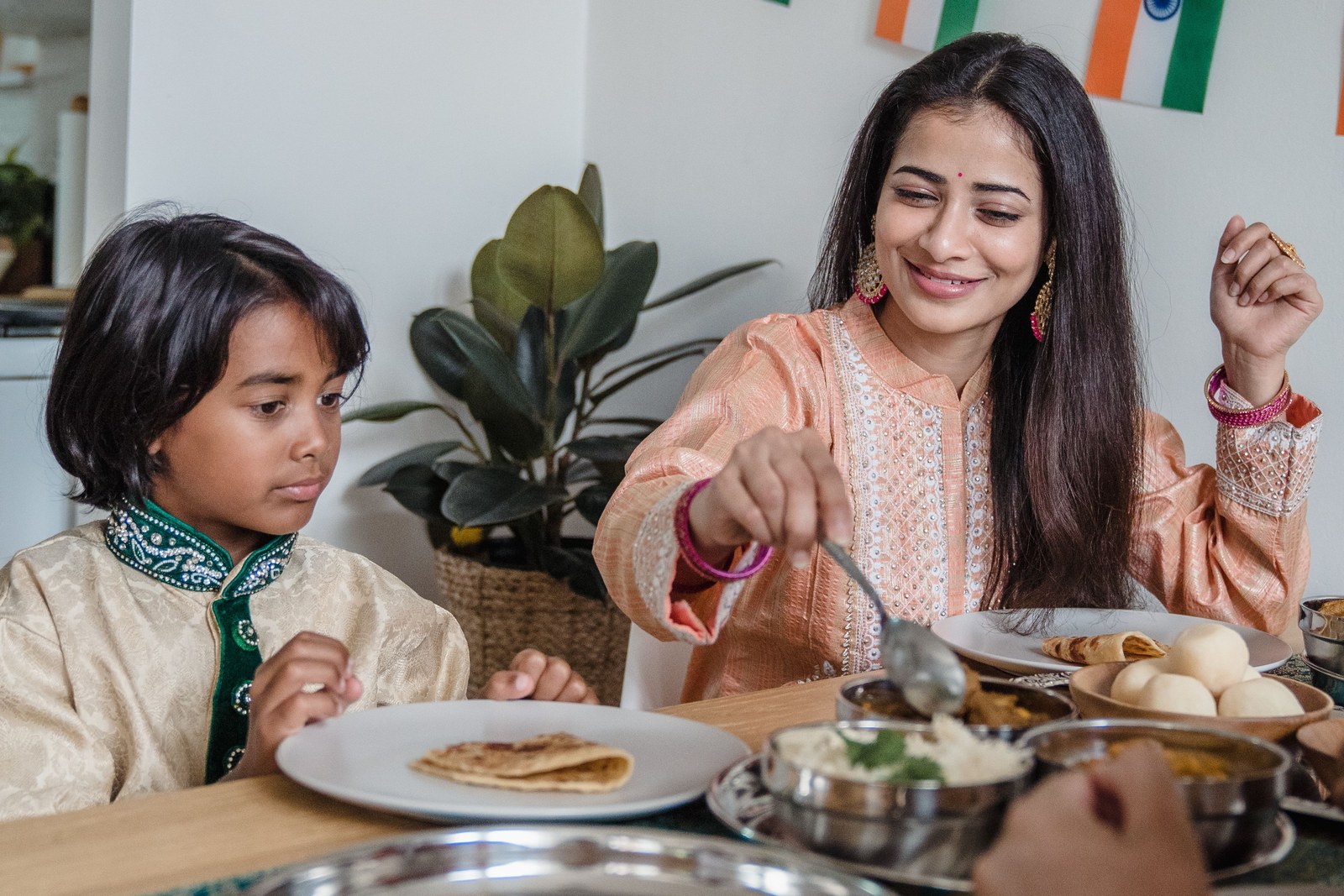
In my practice, parents often ask why a child looks pale or tires easily. Iron deficiency anemia means there is not enough iron to make healthy red blood cells that carry oxygen. India’s anaemia-control guidance stresses iron-rich foods, age-wise iron–folic acid (IFA), and timely testing so problems are caught early.
- Key fact: Watch for pale skin or eyelids, tiredness, irritability, and craving non-food items (pica).
- Key fact: For ages 6–59 months, national guidance uses biweekly 1 ml IFA syrup (20 mg elemental iron + 100 mcg folic acid per ml)—follow local advice.
- Key fact: Pair iron-rich foods with vitamin C (citrus, tomato, amla); avoid cow’s milk before one year, and don’t let milk crowd out meals after that.
What is iron deficiency anemia in children?
Iron builds haemoglobin. During rapid growth, stores can run low and progress to anemia. India’s National Health Mission Anaemia Mukt Bharat materials note that iron deficiency can impair cognitive and motor development in early childhood—so early prevention and treatment matter for energy and learning.
What signs should parents watch for?
I advise parents to notice gradual changes: pale or ashy skin, faded lips or inner eyelids, extra naps, irritability, or poor focus. Some children chew ice, dirt, or paper (pica). HealthyChildren.org lists similar clues and notes that severe anemia may cause shortness of breath, a rapid heartbeat, dizziness, or headaches. Mild cases can be quiet—screening at well-child visits still helps.
How can families prevent low iron day to day?
After about six months of exclusive breastfeeding, offer iron-rich complementary foods: soft meats or egg if eaten at home, dals and legumes, dark green leafy vegetables, and iron-fortified cereals, with vitamin C–rich fruit or vegetables in the same meal. National guidance also promotes biweekly IFA syrup for 6–59 months, weekly pink IFA tablets for ages 5–9 years, and twice-yearly deworming on National Deworming Day (10 February and 10 August). After age one, limit milk so it does not replace iron-rich foods—HealthyChildren.org suggests no more than about 24 ounces a day.
When should I seek care or ask for a test?
See your paediatrician if your child stays pale or unusually tired, has pica, poor growth, breathlessness, dizziness, or feeding that worries you. Testing guides whether prophylactic IFA is enough or therapeutic iron is needed—always at the dose your doctor advises; do not start high-dose iron on your own. Young infants who look unwell need a lower threshold for same-day review—see also my note on fever in babies 2–3 months old. For seasonal illness and feeding stress, my rainy-season health guide may help. For a calm in-person review, you can book an appointment.
Frequently asked questions
Is iron deficiency anemia common in Indian children?
Yes. Anaemia remains a major public-health concern in India, so national programmes focus on IFA, diet, deworming, and testing.
Should I give iron syrup to my toddler every day?
Follow your doctor. Prophylactic IFA for 6–59 months is typically biweekly syrup in national guidance—not a parent-chosen daily high dose.
Which foods help raise iron?
Include dals, legumes, egg, soft meats if eaten at home, green leafy vegetables, and fortified cereals; add citrus, tomato, or amla for vitamin C.
Can too much milk cause anemia?
Cow’s milk before one year is not advised. After one year, large volumes can crowd out iron-rich foods and raise iron-deficiency risk.
This article is for general information and parent education. It is not a substitute for personal medical advice. Always discuss your child’s diet, IFA use, and blood tests with a qualified clinician.
Sources: NHM / MoHFW — Anaemia Mukt Bharat; HealthyChildren.org — Iron Deficiency and Anemia in Babies, Children & Teens.

Leave a Reply