
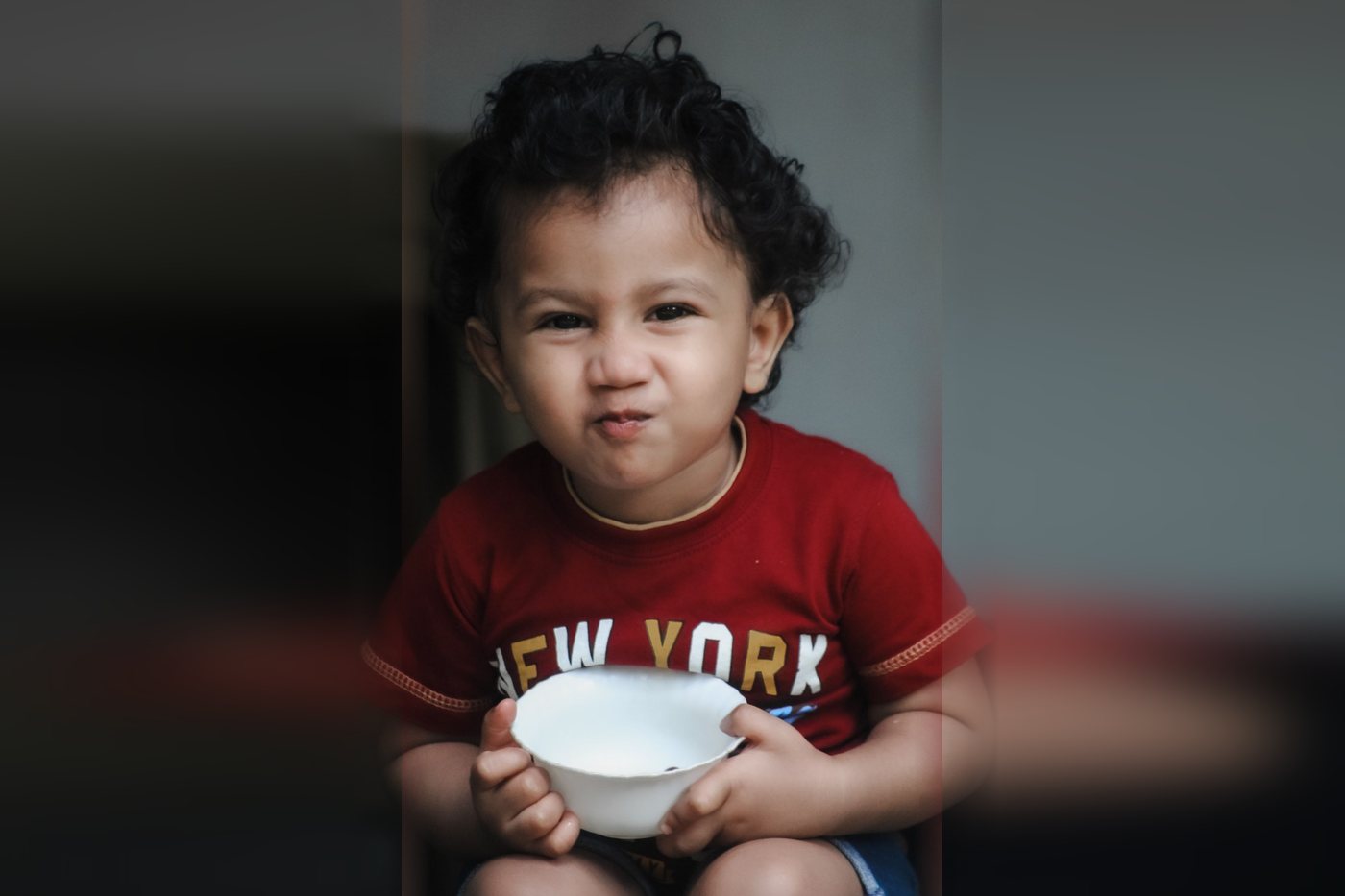
“Doctor, he lived on rice and dal last week, and now he won’t even touch it!” If this sounds like your home, you are in very good company. Today, 16 October, is World Food Day, so it is a good moment to talk about the smallest, fussiest diners at our tables: toddlers.
Why toddlers suddenly turn picky
Babies usually triple their weight in the first year. After that, growth slows, and so does appetite. Toddlers are also discovering independence, and food is one thing they can control. As the American Academy of Pediatrics notes, a favourite food one day may land on the floor the next. This is usually a normal stage, not illness.
Why it matters (and why it often doesn’t)
Look at what your child eats over a week, not one meal. The NHS advises that a child who is active, gaining weight and well is getting enough. The bigger risk is the battle itself: pressure, bribes and chasing a child with a plate usually make picky eating worse.
What you can do at home
- Share the job. You decide what, when and where food is served. Your child decides whether to eat, and how much.
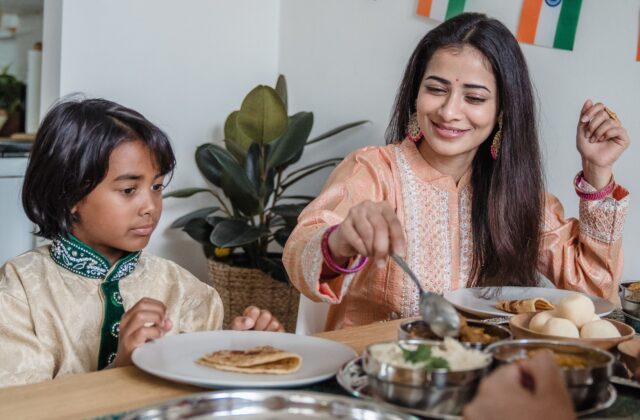
- Eat together, screens off. Cartoons may get a few spoonfuls in, but they distract children from their own hunger and fullness. Children learn most by watching you eat.
- One family meal. Skip cooking separate dishes on demand. Put one familiar food, like rice, roti, idli or curd, next to something new.
- Keep offering. A child may need 10 or more tastes to accept a food. Serve tiny portions.
- No food rewards. “Finish your sabzi, then chocolate” makes sweets more exciting and vegetables a chore.
- Limit snacks. Two healthy snacks a day is plenty, so your child comes to meals hungry.
- Let them help and experiment. Washing vegetables or choosing a fruit builds curiosity, and a child who refuses cooked carrot may enjoy it grated raw.
The ICMR-NIN Dietary Guidelines for Indians (2024) advise no added sugar under age two and minimal foods high in fat, sugar and salt. A child filling up on biscuits and chips will care even less about dinner.
When to see a pediatrician
Most picky eaters outgrow it. A few have a true feeding problem, sometimes called ARFID (avoidant/restrictive food intake disorder), where restricted eating starts to affect health. An expert consensus lists the warning signs. Get your child checked if you notice:
- Weight loss, or poor growth in weight or height
- Signs of a nutrient shortfall, such as paleness and tiredness from iron deficiency anemia
- A short list of foods that keeps shrinking
- Gagging, vomiting, or real fear or distress at meals
- Reliance on milk or supplement drinks in place of meals
- Eating problems that disrupt school or family life
In clinic, I check growth on a chart, look for causes such as constipation or anemia, and make a practical home-style meal plan. For a personalised review, you can book a visit with me.
Key takeaways
- Picky eating is a common, usually temporary, toddler phase.
- Judge your child’s eating over a week, and by growth and energy.
- Calm, screen-free family meals beat pressure and bribes.
- Poor growth, weight loss or fear around food needs a doctor’s review.
Frequently asked questions
Is picky eating normal for toddlers?
Yes. After the first year, growth and appetite slow down, and many toddlers stick to a few favourite foods for a while. It usually settles with calm, consistent meals.
How many times should I offer a new food?
Keep going. A toddler may need 10 or more tastes before accepting a food. Offer a small amount next to a favourite.
Is it okay to show cartoons on the phone so my child eats?
Better not. Screens distract children from their own hunger and fullness. Screen-free family meals work better over time.
Disclaimer: This article is for general information and does not replace a medical consultation. Please see your pediatrician for advice about your child.


Leave a Reply