
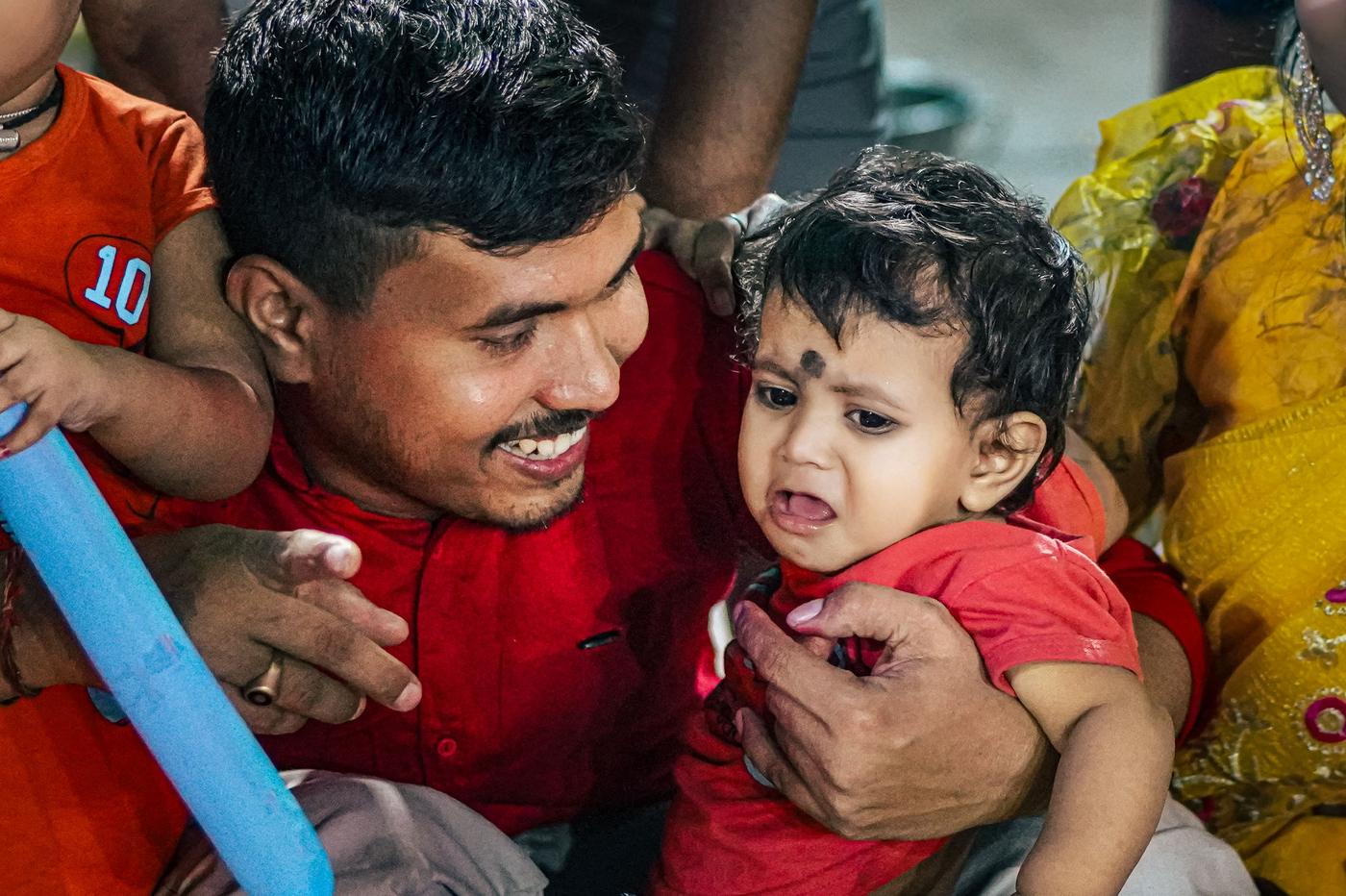
A thud, a pause, then a loud cry. Almost every child bumps their head, and every parent’s heart skips a beat. Today, 17 October, is World Trauma Day, so here is what I tell parents in clinic: which bumps can be managed at home, and which need a doctor straight away.
What a head injury in children usually means
Most head bumps are minor. A lump on the forehead, often called a goose egg, is usually just swelling under the skin. Sometimes a knock shakes the brain enough to cause a concussion, a temporary brain injury that can bring headache, dizziness or tiredness for days to weeks.
Why it matters
The World Health Organization ranks falls as the second leading cause of accidental injury deaths worldwide. Curious, increasingly independent children are a high-risk group.
Danger signs: go to emergency
Drawing on NHS, HealthyChildren.org and CDC guidance: call 108 or 112, or go to the nearest emergency department, if your child:
- Was knocked out, even briefly, or is very drowsy and hard to wake
- Has a fit (seizure), or weakness in an arm or leg
- Vomits more than two or three times, or has a worsening headache
- Is confused, slurs words, or does not recognise you
- Has unequal pupils (the dark centre of the eyes) or double vision
- Has clear fluid or blood from the nose or ears
- Fell from over 1 metre or about five stairs, or was hurt at speed
- Is under one year old with any lump, bruise or cut on the head
Babies and toddlers cannot tell you how they feel, so also watch for crying that will not settle, refusing feeds, or losing interest in play.
What you can do at home
- Comfort and cool. Crying from pain or fright should settle within about 10 minutes. Hold ice wrapped in a cloth on the lump for short spells.
- Stay close for 24 hours. Some signs appear hours later. Sleep is fine if your child is alert and acting normally.
- Paracetamol only for pain, dosed by weight (see my paracetamol guide), unless your doctor advises otherwise.
- Rest. No rough play for a few days. After a concussion, limit screen time for the first day or two, and get medical clearance before sport or cycling.
Preventing falls
- Never leave a baby alone on a bed, sofa or changing table, even for a second.
- Keep children off unguarded terraces and rooftops, especially during festivals (more in my Diwali safety tips).
- Use stair gates, keep furniture away from windows and balcony railings, and strap children into high chairs and prams, as the NHS advises.
- On two-wheelers, Indian rules require children aged nine months to four years to wear a fitting helmet and safety harness, with speed capped at 40 km/h. Older children need helmets too.
When to seek care
See your pediatrician if headache, dizziness or poor concentration lasts over two weeks, or whenever you are unsure. If you would like me to examine your child, you can book a visit.
Key takeaways
- Most head bumps are minor: comfort, cool and watch.
- Repeated vomiting, drowsiness, confusion, seizures or fluid from the nose or ears mean emergency care.
- Any head lump in a baby under one needs a doctor’s check.
Frequently asked questions
Can my child sleep after hitting their head?
Yes, if they are alert and acting normally. Your doctor may suggest checking every 2 to 3 hours that night that they wake and recognise you.
How long should I watch my child after a head bump?
Stay close for at least 24 hours, as serious signs can appear later. Mild headache or tiredness can last up to two weeks.
Does a big lump on the forehead mean a serious injury?
Not usually. A goose egg is common and settles with a cold compress. But a baby under one with any head lump, bruise or cut should see a doctor.
Disclaimer: This article is for general information and does not replace a medical consultation. Please see your pediatrician for advice about your child.



Leave a Reply