
Medically reviewed by Dr. Vannala Raju, Pediatrician & Neonatologist · Last updated 26 October 2026
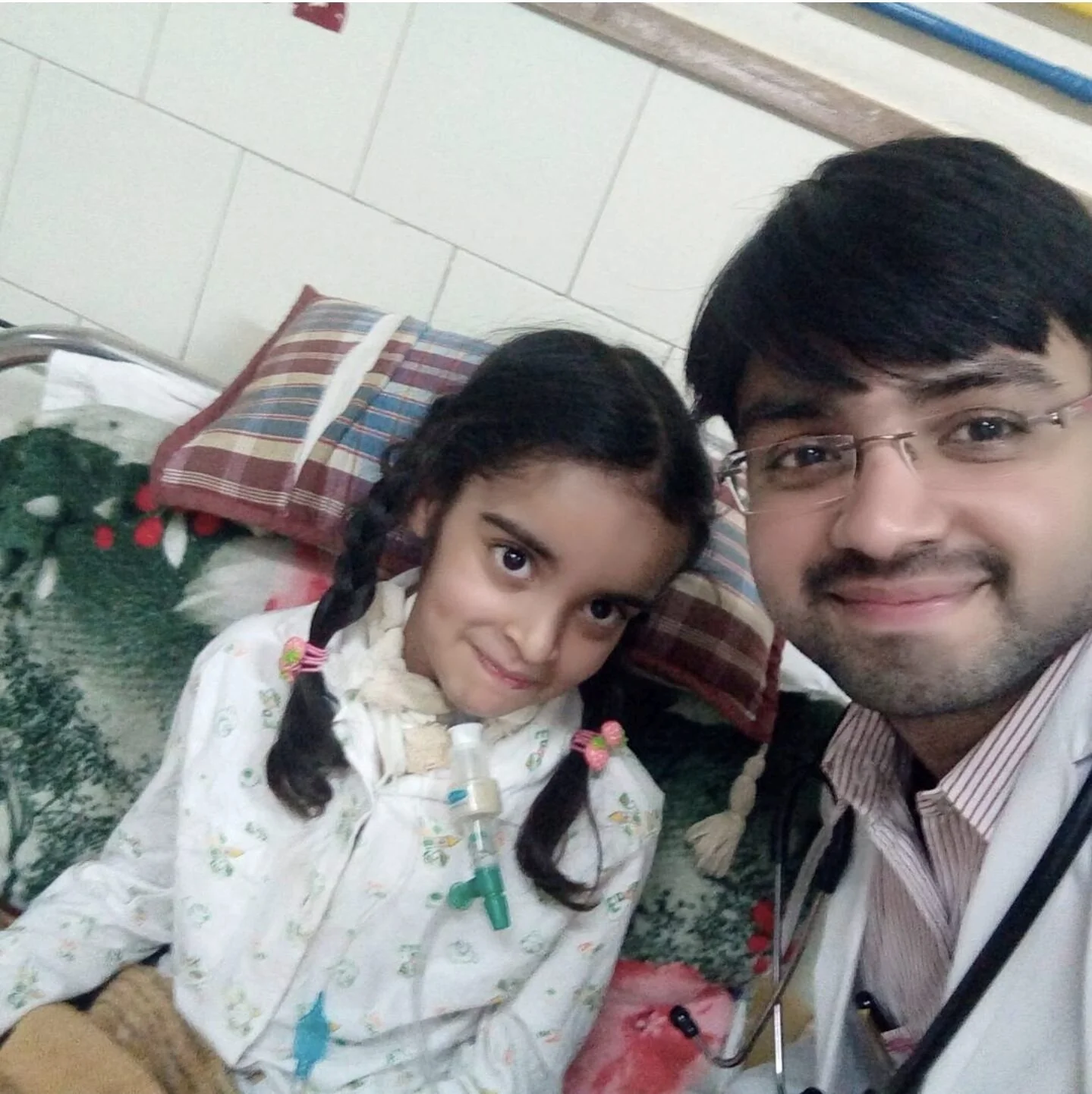
This was in my post graduate training days.. a 7 years girl, Yasmitha (name changed, photo presented with consent) who came to PGI with symptoms of fever of 2 days and then unable to move hands and feet after 1 day of fever.
When she came to PGI in emergency room, though she was conscious, she was unable to move her hands and feet well and even when we examined her in Emergency room, found that her consciousness was gradually waning breathing was becoming shallow.
The clinical examination and reports were suggestive of a condition called Brainstem encephalitis. We had to keep the child in ICU and do mechanical ventilation and medicines like immunoglobulins and steroids. After a long battle of 10 days, she gradually stabilized, but we had to place a tube called tracheostomy tube for easy breathing and when needed to attach Ventilator.
Interesting thing about this girl is that- She understood the emotional pain that her parents went through during all the days in hospital and whenever she has pain while sampling or when hungry also – she never disturbs or calls her parents, instead she silently sheds her tears.
It was during sending a blood sample, when I pricked her and was about to call her mother to hold her, she silently nodded implying dont disturb my mother, let her rest. It was at that moment I realized, maturity doesn’t just come with age, its within and I witnessed Godly strength in Her.
What is brainstem encephalitis?
Encephalitis means inflammation of the brain. When it mainly affects the brainstem, the part of the brain that controls breathing, swallowing, eye movements and the signals to our arms and legs, doctors call it brainstem encephalitis or rhombencephalitis. In children it is most often triggered by an infection, usually a virus, and sometimes by the body’s own immune system reacting after an infection. It is rare, but it can become serious very quickly, which is exactly what we saw in this brave girl.
Warning signs parents should never ignore
Most fevers in children are caused by simple viral illnesses. But fever together with any of the signs below needs emergency care the same day:
- New weakness of the arms or legs, or a child who suddenly cannot walk or hold things
- Unusual sleepiness, confusion or a child who is hard to wake
- Difficulty swallowing, drooling, slurred speech or double vision
- Fast, shallow or irregular breathing
- A fit (seizure), severe headache, stiff neck or repeated vomiting
The NHS page on encephalitis describes these symptoms clearly. In India, call 108 or go directly to the nearest hospital with a pediatric emergency and intensive care unit. Early treatment makes a real difference. It is always better to be checked and reassured than to wait at home with these signs.
How children are treated in the intensive care unit
In the PICU, our first job is to protect the airway and breathing. That is why this girl needed a ventilator, and later a tracheostomy tube so that she could breathe comfortably while her brainstem healed. Alongside this, we treat the cause: medicines for infection where needed, and treatments that calm the immune system, such as immunoglobulins and steroids. Recovery is often slow and comes in small steps, with physiotherapy, feeding support and a lot of patience from the family and the team.
What she taught me as a young doctor
Children often understand far more than we think. This little girl saw how tired and frightened her parents were and chose to protect them, even while she was the one in pain. Since then I have tried to give children in hospital a voice: explaining procedures in simple words, letting them hold a parent’s hand, and allowing them to cry if they need to. Simple honesty, a parent’s presence and a little preparation before each procedure help children cope far better than we expect.
Supporting your child and yourself
- Stay close and keep familiar things nearby: a favourite toy, a blanket or stories from home.
- Ask the team to explain the plan each day; it is your right to understand your child’s care.
- Take turns with family members so that you also rest and eat.
- After discharge, keep every follow-up appointment and therapy session, even when your child seems well.
Stories like hers are why I love pediatrics. If you would like to read another real-life story from my practice, see the spirit of life, a story of resilience. For a calmer look at everyday fevers, my guide to febrile seizures in children explains which fits are usually harmless.




Leave a Reply