
Medically reviewed by Dr. Vannala Raju, Pediatrician & Neonatologist · Last updated 26 October 2026
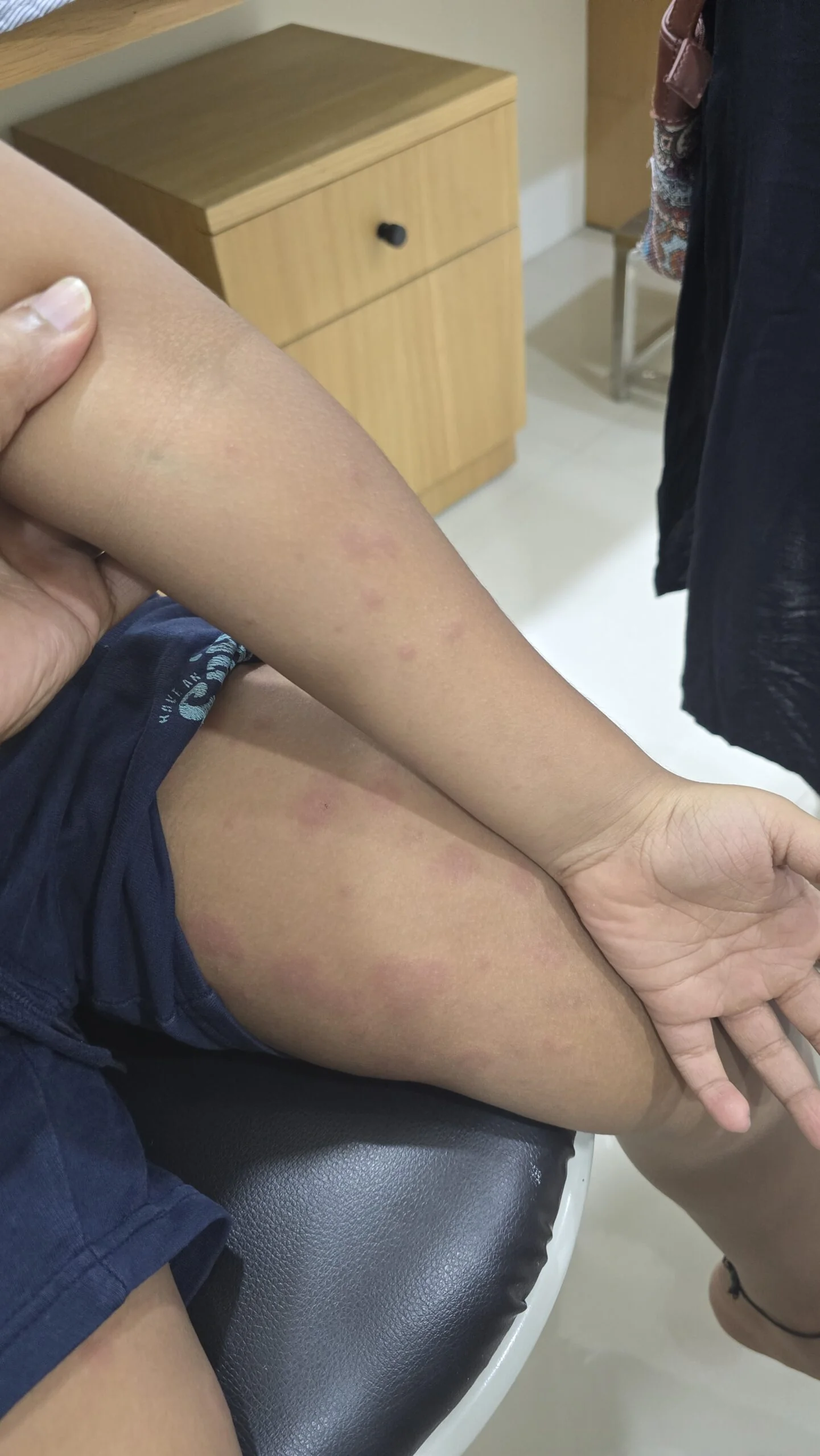
Today, I came across a 7 years old Boy who came to me in my clinic in the evening with the complaints of rash, which started all over his body, after going to play in play ground that is along with the park.
This Child played with slider, and he ran across few plants and bushes, climbed up few rope based play items. Had few packaged food items too.

When he came now, its a lot of itching and mild redness of eyes too. But there was no fever or any other symptoms.
This is a classical case of allergic rash – may be because of the plant triggers or some insects in park.
I just want to highlight that while playing at places with unknown plants and potential insects, extra care must be taken to cover hands and feet.
Why rashes are common after outdoor play
Parks and playgrounds are wonderful for children, but they also bring their skin into contact with grass, sap from plants, pollen, dust, insects and the surfaces of shared play equipment. In my clinic, a rash that appears within minutes to a few hours of outdoor play is most often one of three things: an allergic (hive-like) reaction, irritation of the skin from a plant, or insect bites. Packaged snacks eaten at the same time can occasionally add a food trigger, which is why I always ask parents what the child ate.
How an allergic rash usually looks
- Raised, red or skin-coloured welts (hives) that itch and may move around over a few hours
- Patches on exposed areas such as hands, arms, legs and face, where plants or insects touched the skin
- Mild redness or watering of the eyes, as in this boy, from rubbing itchy hands on the face
- No fever, and a child who is otherwise playful, eating and drinking normally
A rash like this looks dramatic but usually settles in a day or two once the trigger is removed. The parent guide to hives from the American Academy of Pediatrics explains the same pattern well.
For a child like this, I check the skin, eyes and breathing to make sure there are no signs of a severe reaction, then usually advise a bath, an anti-allergy medicine suited to the child’s weight if needed, and a review if anything changes. Most children with this kind of rash feel much better within a day.
What I advise at home
- Give your child a lukewarm bath and change into clean clothes to wash off pollen, sap or insect hairs.
- Keep nails short and try to stop scratching; a cool, damp cloth helps with itching.
- Use only the anti-allergy medicine and dose your pediatrician recommends for your child’s age and weight.
- Avoid applying home remedies, strong creams or oils to broken or very red skin.
- Note what your child touched or ate so we can look for a pattern if it happens again.
When to see a doctor urgently
Please go to the nearest emergency department or call 108 straight away if your child has swelling of the lips, tongue or face, difficulty breathing, noisy breathing or wheeze, repeated vomiting, unusual drowsiness or looks pale and floppy. These can be signs of a severe allergic reaction. See your pediatrician soon if the rash comes with fever, if it does not blanch when you press a glass on it, if it blisters or oozes, or if it lasts more than a couple of days. The NHS guide to rashes in babies and children has a helpful checklist of which rashes need urgent care.
Simple ways to protect children outdoors
- Dress children in light, full-sleeved clothes and closed shoes when playing near bushes and tall grass.
- Avoid letting them handle unknown plants, berries or caterpillars.
- Wash hands before eating snacks in the park.
- Use an age-appropriate insect repellent if mosquitoes or other insects are common; the NHS advice on insect bites and stings covers what to do if your child is bitten.
- Carry water and a small towel to wipe hands and face after play.
Most outdoor rashes are harmless, and I would never want parents to stop children from playing outside. A little preparation and knowing the warning signs is enough. If your child also has fever with a rash, my posts on chickenpox in children and hand, foot and mouth disease can help you understand what else it might be.
A dog’s lick on food raises different questions; see my rabies dilemma case.



Leave a Reply