

What Parents Should Know about Chickenpox in Children
A few days ago in my pediatric clinic, a 3-year-old child was brought by concerned parents.
Their initial complaint was simple.
“Doctor, our child has had mild fever on and off for the last three days.”
This is a very common scenario in pediatric practice. Many viral infections in children begin with mild fever and settle on their own.
But in this child’s case, something interesting happened.
On the third day of fever, the parents noticed small fluid-filled rashes appearing on the body. Within a few hours, these rashes started spreading to different parts of the body.
When I examined the child, the diagnosis became quite clear.
The child was suffering from Chickenpox (Varicella infection).
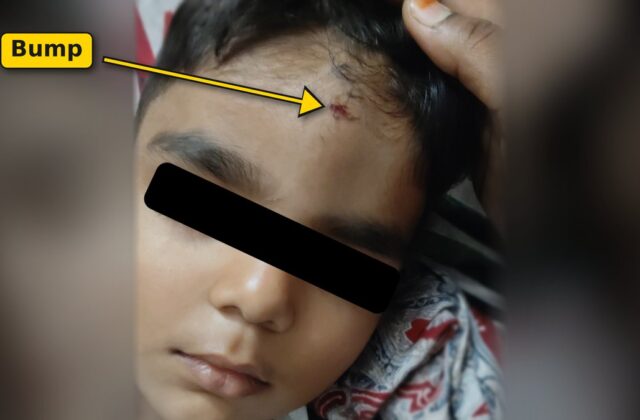
Chickenpox Rash on the Child’s Face

What I Observed During Clinical Examination
During examination, I noticed:
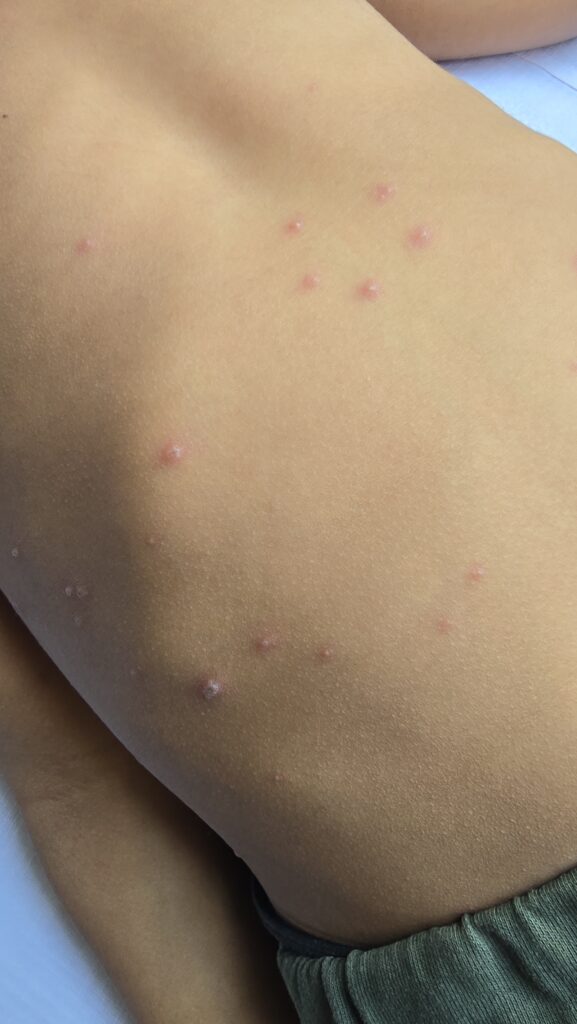
- Multiple red bumps on the skin
- Many lesions containing clear fluid (vesicles)
- Some lesions newly formed
- Some lesions already crusting
The rash was present on:
- Face
- Chest
- Back
- Arms and legs
One of the most important clinical clues in chickenpox is that skin lesions appear in different stages simultaneously.
You may see:
- Red spots (macules)
- Raised bumps (papules)
- Fluid-filled blisters (vesicles)
- Crusted scabs
All at the same time.
This pattern strongly points toward varicella infection.
The Important History: The Child Was Not Vaccinated
Whenever I diagnose chickenpox, one of the important questions I ask parents is:
“Has the child received the chickenpox vaccine?”
In this case, the parents told me that the child had not received the varicella vaccine.
This explains why the infection occurred naturally.
Today, because of vaccination, many children never develop chickenpox at all.
What Exactly Is Chickenpox?
Chickenpox is a viral infection caused by the Varicella-Zoster Virus (VZV).
It is one of the most contagious childhood infections.
The virus spreads through:
- Respiratory droplets (coughing or sneezing)
- Direct contact with the blisters
- Contact with contaminated objects
After exposure, symptoms usually appear after 10–21 days.
This period is known as the incubation period.
Early Symptoms of Chickenpox
Before the rash appears, children may develop:
- Mild fever
- Tiredness
- Reduced appetite
- Headache
- Irritability
After this initial phase, the typical rash appears.
What Does Chickenpox Rash Look Like?
The rash usually begins on the trunk (chest and back) and then spreads to:
- Face
- Arms
- Legs
Doctors often describe chickenpox lesions as:
“Dew drops on a rose petal.”
This means:
- A clear fluid blister
- Sitting on a reddish base
The rash is usually very itchy, especially in children.
Is Chickenpox Dangerous?
In most healthy children, chickenpox is a mild illness that resolves within 7–10 days.
However, in some cases complications may occur.
Possible Complications of Chickenpox
Although uncommon, severe complications can include:
- Secondary bacterial skin infections
- Pneumonia
- Encephalitis (brain inflammation)
- Sepsis
- Severe dehydration
Children who are at higher risk include:
- Infants
- Adolescents
- Immunocompromised children
- Children receiving chemotherapy
- Children on long-term steroids
The Chickenpox Vaccine
The Varicella vaccine protects children from chickenpox.
Recommended Vaccine Schedule
1st Dose: 12–15 months of age
2nd Dose: 4–6 years of age
Two doses provide excellent protection.
Even if a vaccinated child develops infection, the illness is usually much milder.
Why Vaccination Is Important
Before the introduction of the chickenpox vaccine, almost every child would get chickenpox.
Vaccination helps to:
- Prevent infection
- Reduce severe disease
- Reduce hospitalizations
- Protect vulnerable individuals
Vaccination also helps reduce the spread of infection in the community.
How Chickenpox Is Treated
Treatment mainly focuses on symptom relief and preventing complications.
Management usually includes:
- Fever control medications
- Anti-itch medicines
- Calamine lotion
- Adequate hydration
- Maintaining skin hygiene
In some cases, doctors may prescribe antiviral medicines such as Acyclovir.
Important Advice I Give Parents
If a child develops chickenpox:
✔ Keep the child at home and away from school
✔ Avoid scratching the lesions
✔ Keep nails trimmed
✔ Maintain good hygiene
✔ Ensure adequate fluid intake
Warning Signs Parents Should Watch For
Parents should seek urgent medical attention if the child develops:
- Persistent high fever
- Severe vomiting
- Breathing difficulty
- Extreme drowsiness
- Severe skin infection around the rash
Frequently Asked Questions (FAQ)
How does chickenpox start in children?
Chickenpox usually begins with mild fever, tiredness and loss of appetite, followed by the appearance of itchy red spots that turn into fluid-filled blisters.
How long does chickenpox last?
Most children recover within 7–10 days, although itching and scabs may persist slightly longer.
Can vaccinated children still get chickenpox?
Yes, but the illness is usually very mild, with fewer skin lesions and faster recovery.
Is chickenpox contagious?
Yes. Chickenpox is highly contagious and spreads easily through respiratory droplets and direct contact with blisters.
When should a child with chickenpox see a doctor?
A child should be evaluated by a doctor if:
- Fever persists for several days
- The rash becomes very painful
- Signs of infection appear
- The child becomes unusually sleepy or breathless
Final Thoughts from My Clinic
As pediatricians, we frequently encounter infections in children. Some infections are unavoidable, but many can be prevented through vaccination.
Chickenpox is one such disease.
A simple vaccine can prevent unnecessary discomfort, complications and missed school days.
If your child has not yet received the chickenpox vaccine, discuss it with your pediatrician.
Prevention is always better than treatment.

Leave a Reply