
Medically reviewed by Dr. Vannala Raju, Pediatrician & Neonatologist · Last updated 26 October 2026
In the fast-paced world of healthcare, hospital hallways are often a blur of white coats, buzzing phones, and back-to-back patient consultations. As doctors, our focus is naturally on the clinical—diagnosing symptoms and refining treatment plans. However, yesterday, a routine meeting with a medical sales representative served as a powerful reminder that the most profound stories of healing and strength often come from the people we least expect.
An Unexpected Encounter
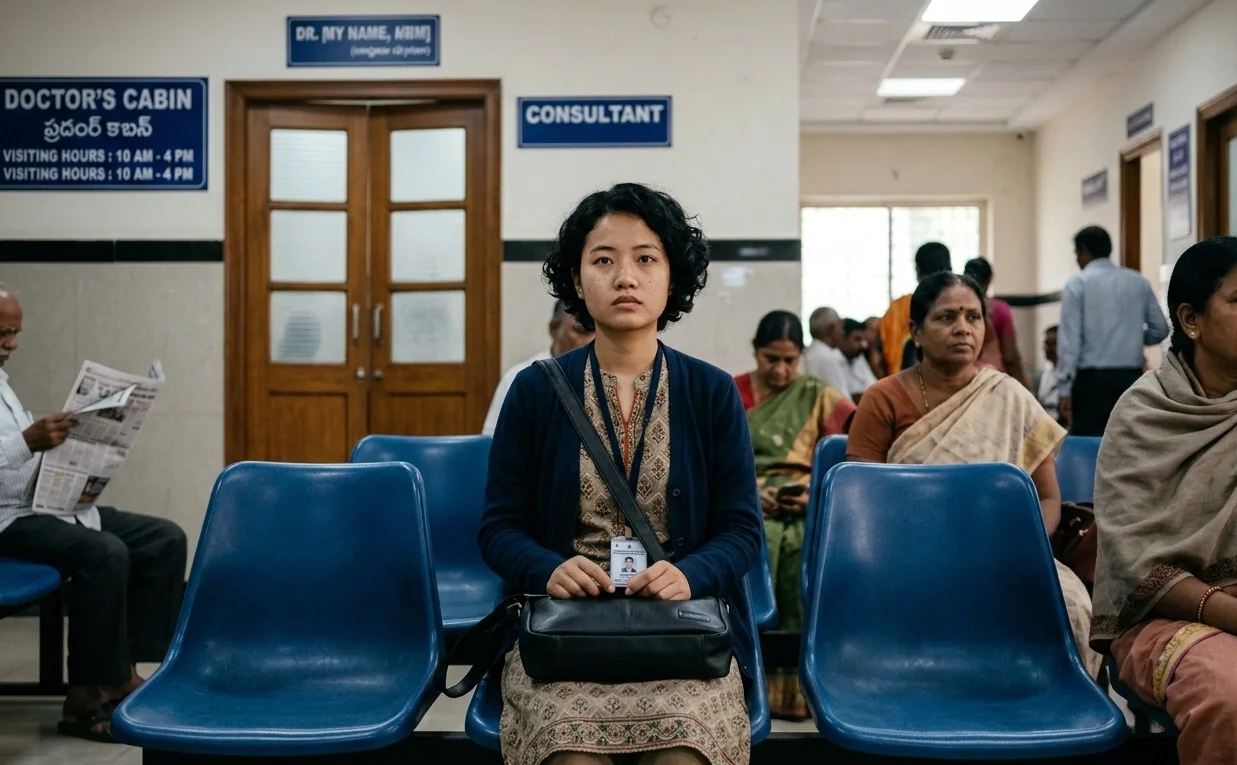
It was a typical, hectic morning. I was deep into my patient rounds, navigating a heavy caseload that kept me running behind schedule. Waiting patiently in the lounge was a young female medical representative, there to present a new catalogue of syrups and tablets.
Because of the morning’s clinical demands, she ended up waiting significantly longer than our scheduled time. Feeling a pang of guilt for the delay, I decided to grant her a little extra time once we finally sat down. I wanted to ensure she felt heard, not just as a professional selling a product, but as a person whose time is equally valuable.
Beyond the Product Catalogue
After we discussed the pharmaceutical specifications and her company’s latest offerings, the conversation shifted. Perhaps it was the way she carried herself—with a quiet, steady confidence—that prompted me to ask about her background and her journey into the medical sales industry.
What she shared was nothing short of heroic.
Originally from a Northeastern state of India, she had moved far from home to build a career. But this wasn’t just a pursuit of professional ambition; it was a mission of survival. I learned that she is the sole breadwinner for her household, working tirelessly to provide for and educate her three younger siblings.
Resilience Against All Odds
The weight of her responsibility became even more apparent when she spoke of her mother. Three years ago, she lost her mother to cervical cancer. Amidst that grief, instead of folding under the pressure, she stepped up to become the pillar of her family.
Her story is a testament to human resilience. While she spends her days promoting medicine to doctors, she is living a life that defines the very spirit of “grit.” She isn’t just selling tablets; she is selling a future for her siblings and honoring her mother’s memory through sheer determination.
Lessons in the “Good Life Spirit”
We often look to history books or cinema for “heroic” stories, but true inspiration is usually walking right beside us. This young woman reminded me of a few essential truths:
- Everyone is Fighting a Battle: Behind every professional facade is a personal history we know nothing about.
- Resilience is a Choice: Staying “strong” isn’t about the absence of hardship; it’s about moving forward despite it.
- The Power of Empathy: Taking five extra minutes to ask “Who are you?” can change your entire perspective on the world.
Sometimes, the most “strong” people aren’t the ones with the loudest voices, but the ones who show up every day, do their jobs with a smile, and carry the weight of the world on their shoulders without complaint.
What resilience looks like in children and families
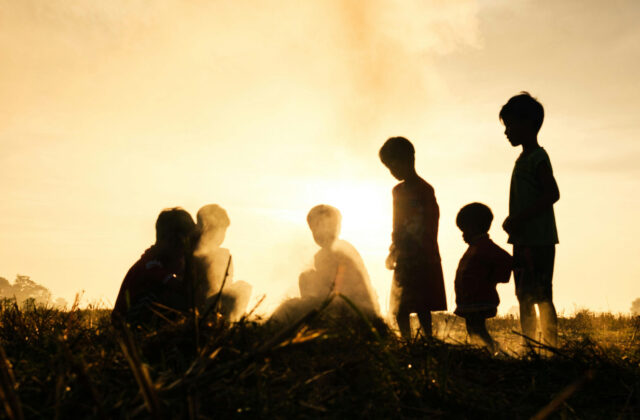
As a pediatrician and neonatologist, I see resilience every day. A preterm baby who keeps fighting in the NICU, a mother who learns to feed her baby through a tube, a teenager who returns to school after a long illness. Resilience is not about never feeling sad or scared. It is the ability to keep going, adapt and recover, and the good news is that it can be nurtured in every child.
How parents can build resilience at home
- Be a steady presence. A warm, reliable relationship with at least one caring adult is the strongest protection a child can have.
- Name feelings. Help children say “I am scared” or “I am angry”, and show them it is safe to talk.
- Let them solve small problems. Age-appropriate responsibilities build confidence.
- Keep routines. Regular sleep, meals and play give children a sense of safety during hard times.
- Look after yourself. Children watch how adults cope, and borrow our calm.
The American Academy of Pediatrics guidance on building resilience is a lovely, practical resource for parents.
When grief or stress needs extra support
Losing a parent, as this young woman did, is one of the hardest experiences a child or young adult can face. Please speak to your pediatrician or family doctor if a child or teenager has ongoing changes in sleep or appetite, withdraws from friends, loses interest in school or play, or talks about hopelessness. Support is available, and asking for help is itself a sign of strength.
If you enjoyed this story, you may also like my strong patient, about a little girl whose courage in the ICU I still remember, and a real case about a dog-licked snack and rabies.



Leave a Reply