
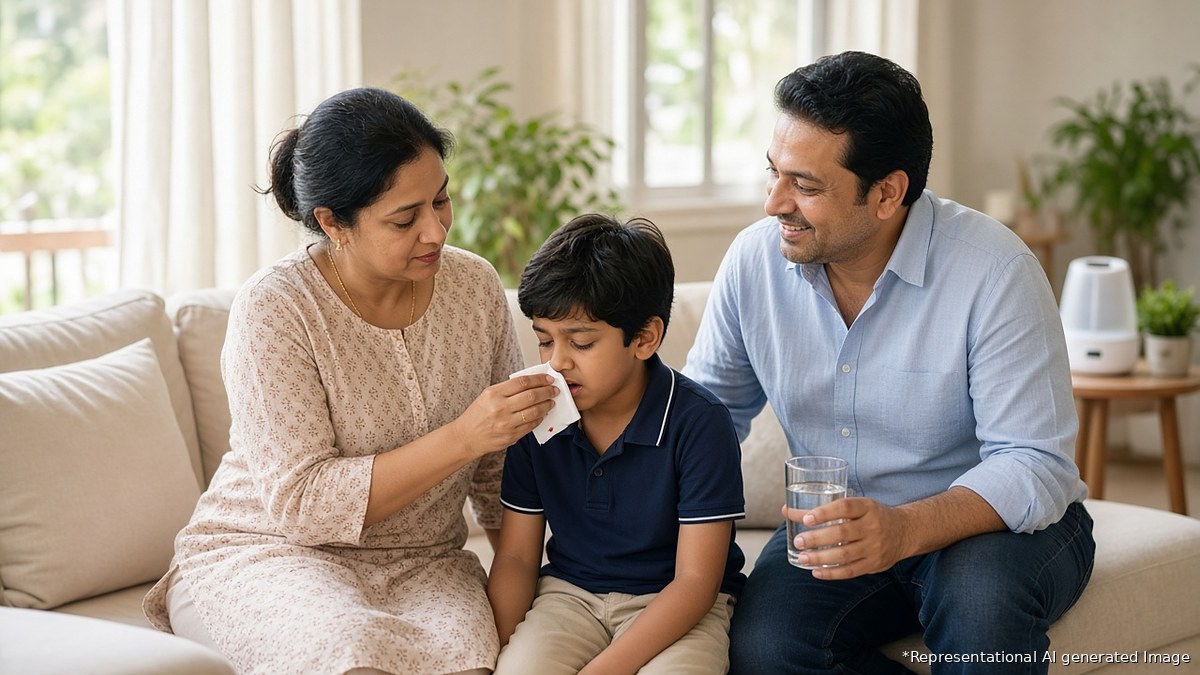
Few things make a parent’s heart jump like a pillow streaked with blood in the morning, or a sudden drip of red at the breakfast table. In my clinic, nosebleed visits climb every winter. The good news: almost all of them look far scarier than they are, and you can stop most of them at home in ten minutes.
Quick answer: sit your child up, lean them slightly forward, and pinch the soft part of the nose for a full 10 minutes without peeking. Do not tilt the head back. Get help if it won’t stop after two tries, is heavy, or follows a head injury.
Why do children get nosebleeds?
Most nosebleeds in children start from a small patch of tiny blood vessels just inside the front of the nose. The lining there is thin and dries out easily. According to the NHS, the usual triggers are nose picking, blowing too hard and a dry nose from changes in air temperature. Nemours KidsHealth notes that nosebleeds are more common in winter and in dry air, which is exactly the season we are in now. Colds and allergies, with all that rubbing and sniffing, add to it.
Why it is usually not serious
A few spoonfuls of blood mixed with mucus and tears can look like a lot. These front-of-the-nose bleeds are common, usually harmless and settle with simple pressure. Bleeds from deeper inside the nose are rarer and happen mostly in adults.
First aid: what to do, step by step
- Stay calm. Your calm voice keeps your child calm, and crying makes bleeding worse.
- Sit up and lean forward. Keep your child upright with the head tilted slightly forward over a towel or basin.
- Pinch the right spot. Squeeze the soft lower part of the nose, just below the bony bridge, between your thumb and finger.
- Hold for 10 minutes by the clock. No peeking. Letting go early breaks the fresh clot. Your child breathes through the mouth.
- Repeat once if needed. If it is still bleeding, pinch for another 10 minutes.
What not to do
- Don’t tilt the head back or make your child lie flat. Blood goes down the throat and can cause gagging or vomiting.
- Don’t stuff cotton, tissue or cloth deep into the nose, as advised by the American Academy of Pediatrics’ HealthyChildren.org.
- For the next day, avoid nose blowing, picking scabs and rough play so the spot can heal.
Preventing nosebleeds in dry weather
- Keep the inside of the nose moist with saline (salt-water) drops or spray, especially at bedtime.
- A humidifier in the bedroom helps during dry months. Dry winter skin needs care too, as in my guide to eczema in winter.
- Keep nails short, discourage picking and teach gentle one-nostril-at-a-time blowing during colds (see my note on safe cold and cough care).
- KidsHealth advises against putting petroleum jelly deep inside a child’s nose, because if breathed in it can rarely harm the lungs.
When to see a doctor
Go to emergency care if bleeding continues after two rounds of 10-minute pressure, is heavy, comes with paleness, dizziness, weakness or breathing difficulty, follows a fall or a blow to the head (read my guide on head injuries in kids), or your child is vomiting a lot of blood.
Book a routine check if your child is under 2 and has had a nosebleed, gets frequent nosebleeds, bruises easily, has bleeding gums, may have pushed something into the nose, or has a constantly blocked nose. HealthyChildren.org notes that more than 5 nosebleeds a year, or bleeds that usually last over 10 minutes, may need a look by an ENT specialist or tests for a bleeding problem. If you are worried, a calm clinic visit can sort out the cause.
Key takeaways
- Nosebleeds are common in children, especially in dry winter air, and are usually harmless.
- Lean forward, pinch the soft part of the nose and hold for 10 full minutes.
- Never tilt the head back or stuff the nose.
- Saline, a humidifier and short nails help prevent repeats.
- Heavy, prolonged, frequent or injury-related bleeds need a doctor.
Frequently asked questions
How do you stop a nosebleed in a child?
Sit your child upright and lean them slightly forward. Pinch the soft lower part of the nose, just below the bony bridge, firmly for 10 minutes without letting go to check, while they breathe through the mouth. Most nosebleeds stop with this alone.
Should a child tilt their head back during a nosebleed?
No. Tilting the head back or lying flat sends blood down the throat, which can cause coughing, gagging or vomiting. Keep the head tilted slightly forward instead.
Why does my child get nosebleeds in winter?
Dry winter air dries out the delicate lining at the front of the nose. Tiny blood vessels there crack easily, especially with nose picking, rubbing or hard nose blowing during colds.
When is a child’s nosebleed an emergency?
Seek urgent care if bleeding does not stop after two rounds of 10 minutes of pressure, if it is heavy, if your child looks pale, dizzy or weak, if it followed a blow to the head or a fall, or if they are vomiting a lot of blood. A child under 2 with a nosebleed should also be checked by a doctor.
Disclaimer: This article is for general information and does not replace a medical consultation. Please see your pediatrician for advice about your child.



Leave a Reply