
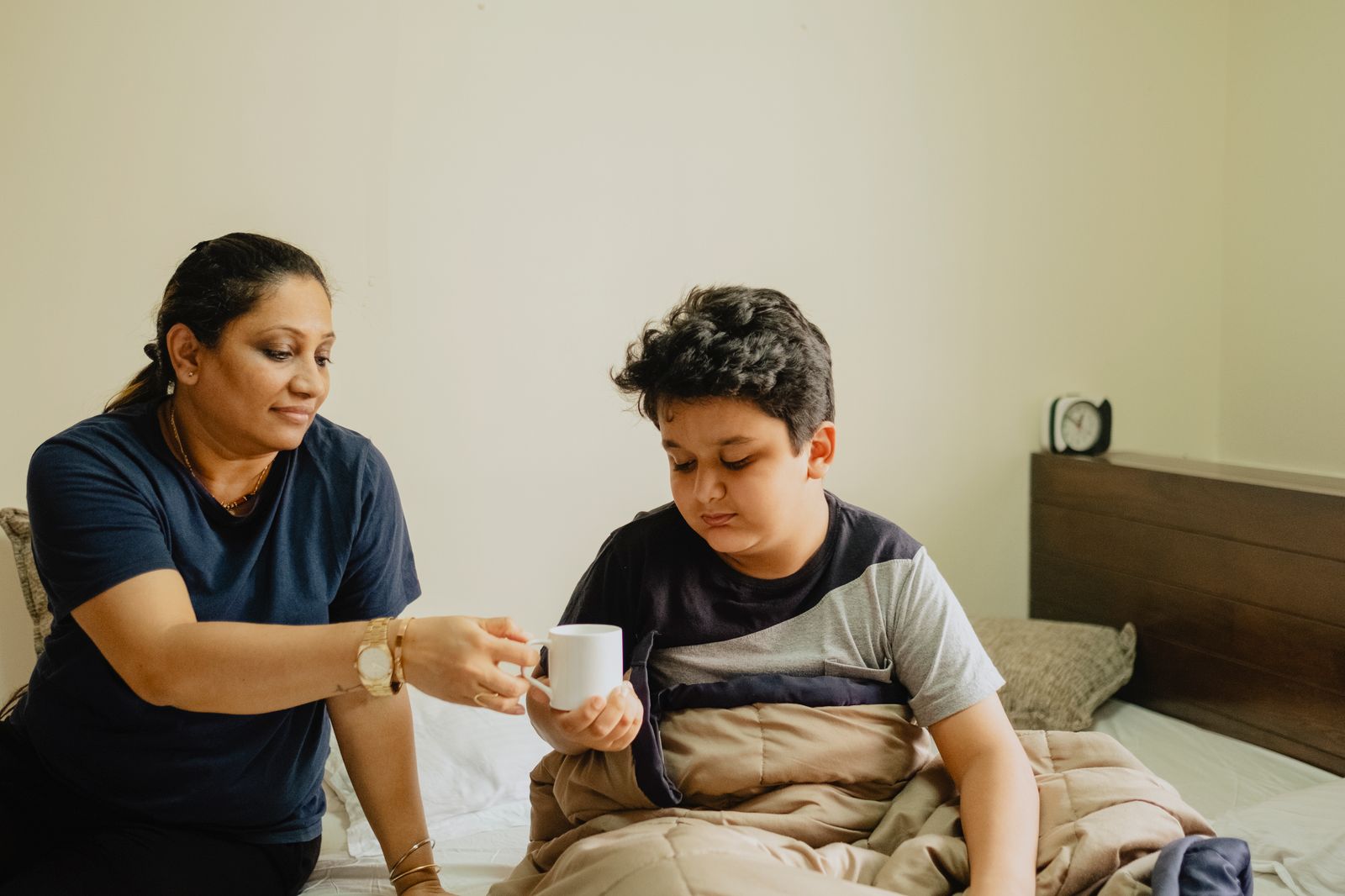
When a child suddenly develops a fever, refuses favourite foods, and then tiny blisters appear on the hands, feet, or inside the mouth, many parents worry they are seeing something rare. In my clinic, most of the time it turns out to be hand, foot and mouth disease (HFMD)—a common viral illness in young children. Clinics in several Indian cities have again seen seasonal rises as schools and playgroups fill up, so this is a useful moment to know what to expect.
What is hand, foot and mouth disease?
HFMD is caused by viruses such as coxsackievirus and related enteroviruses. It spreads through coughs and sneezes, saliva, blister fluid, and stool—exactly the contact that happens in daycare and at home. According to the U.S. Centers for Disease Control and Prevention (CDC), it is most common under age 5, though older children and adults can catch it. The illness is usually mild. Most people recover in about 7 to 10 days.
What parents typically notice
Symptoms often start like a cold: fever, sore throat, tiredness, or a runny nose. Then painful sores may appear inside the mouth—on the tongue, gums, or inner cheeks. A rash of small red spots or blisters commonly shows up on the palms, soles, and sometimes the buttocks or elbows. Not every child gets every symptom. The American Academy of Pediatrics notes on HealthyChildren.org that symptoms can begin 3 to 6 days after exposure, and a child can get HFMD more than once because different viruses cause it. Parents sometimes worry the blisters are chickenpox, which I have described separately in A Case of Chickenpox.
How to care for your child at home
There is no specific antiviral medicine for HFMD in routine use, and antibiotics do not help. Focus on comfort:
- Ease pain and fever with age-appropriate paracetamol (acetaminophen) or ibuprofen as your doctor advises. Never give aspirin to children.
- Offer cool, soft foods and plenty of fluids. Avoid spicy, salty, or citrus foods that sting open sores.
- Watch for dehydration: fewer wet nappies, a dry mouth, unusual sleepiness, or no tears when crying.
- Hygiene: wash hands with soap for at least 20 seconds (especially after nappy changes), clean toys and shared surfaces, and avoid sharing cups or utensils.
When to seek care—and return to school
Call your paediatrician, or seek urgent care, if fever lasts more than three days, your child is drinking poorly, you suspect dehydration, mouth pain is severe, or there is unusual drowsiness, a stiff neck, severe headache, breathing difficulty, or worsening symptoms. Infants and children with weaker immune systems need a lower threshold for review.
For school or daycare, CDC and AAP guidance is practical: children can usually return once the fever is gone, they feel well enough to take part, and they are not drooling uncontrollably from mouth sores. Follow any local outbreak rules from your school.
A calm parent takeaway
What I tell parents is that HFMD looks dramatic because of the blisters, but for most families it is a short, self-limiting illness. Focus on fluids, comfort, and hygiene, and limit close contact while your child is most unwell. If you are unsure whether a rash or fever needs a visit, a quick check with your child’s doctor can help—you can also book an appointment when you want a face-to-face review.
Frequently asked questions
Is hand, foot and mouth disease serious?
It is usually mild, and most children recover in about 7 to 10 days. Watch for dehydration and seek care if fever lasts more than three days, your child is drinking poorly, or there is unusual drowsiness, a stiff neck, severe headache or breathing difficulty.
How does HFMD spread, and when do symptoms start?
It spreads through coughs and sneezes, saliva, blister fluid and stool. Symptoms can begin 3 to 6 days after exposure, and a child can get HFMD more than once because different viruses cause it.
What is the best home care for HFMD?
There is no specific antiviral medicine in routine use, and antibiotics do not help. Ease pain and fever with age-appropriate paracetamol or ibuprofen as your doctor advises (never aspirin), offer cool soft foods and plenty of fluids, and keep up handwashing.
When can my child go back to school after HFMD?
Usually once the fever is gone, your child feels well enough to take part, and they are not drooling uncontrollably from mouth sores. Follow any local outbreak rules from your school.
This article is for general information and parent education. It is not a substitute for personal medical advice. Always discuss your child’s symptoms with a qualified clinician.
Sources: CDC — About Hand, Foot, and Mouth Disease; HealthyChildren.org / AAP — Hand, Foot & Mouth Disease.


Leave a Reply