

“Doctor, it started as a mild cold, and now he is breathing so fast.” I hear this almost every day after the monsoon, when cough-and-cold viruses circulate widely among infants. For many babies the infection stays in the nose; for some it settles deeper in the chest as bronchiolitis.
Quick answer: Bronchiolitis is a viral chest infection in babies, often from RSV, that usually starts like a cold then brings a worse cough and faster breathing. Most otherwise healthy babies get better with home care, but hard breathing, poor feeding or bluish lips need same-day care.
What it is
Bronchiolitis means the smallest breathing tubes in the lungs, the bronchioles, become swollen and full of mucus, so air moves less easily. The HealthyChildren.org bronchiolitis guide notes viruses such as RSV, influenza and parainfluenza cause it—not bacteria. It usually affects babies under 2 years, especially those under 6 months. It is not adult bronchitis, and it is different from the barking cough of croup.
Why it matters
Almost every child gets RSV before age 2. For most it is like a cold, but in young infants it can lead to bronchiolitis or even pneumonia. According to HealthyChildren.org on RSV, symptoms are often worst on days 3 to 5. With more respiratory viruses circulating in this post-monsoon stretch, parents of young babies should stay alert.
What to watch for
- Cold symptoms first: runny nose, mild cough, sometimes fever
- Then faster breathing, wheezing, flaring nostrils or the chest pulling in between the ribs
- Trouble feeding, fewer wet nappies, or unusual sleepiness
- In very young infants: irritability, low activity or pauses in breathing
What you can do
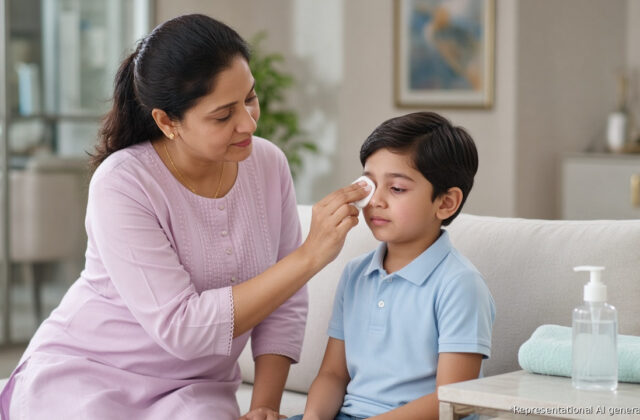
- Clear the nose. Saline drops, then gentle bulb suction before feeds—especially useful under 6 months, as HealthyChildren.org advises.
- Offer frequent small feeds of breast milk or formula.
- Keep air comfortable with a clean cool-mist humidifier, and keep smoke away.
- Ease fever with the correct dose of paracetamol if needed. Never give aspirin or cough syrups unless prescribed.
- Skip antibiotics for viral bronchiolitis. The CDC RSV care page notes most infections settle with supportive care.
For prevention next season, see my RSV protection guide.
When to seek care
Seek same-day or emergency care if ribs pull in, your baby grunts or pauses breathing, lips look blue or grey, a baby under 3 months has fever, feeding is poor, there is fewer than one wet nappy in 8 hours, or your baby is unusually drowsy. Premature babies and those with heart or lung disease need earlier review. If you are unsure, book a visit with me.
About the author: This article is written by Dr. Vannala Raju, pediatrician and neonatologist at Cygnet Superspeciality Clinics, Czech Colony, Hyderabad.
Key takeaways
- Bronchiolitis is viral swelling of the smallest airways in babies, often from RSV.
- Most babies improve with saline, suction, fluids and rest—not antibiotics.
- Watch days 3–5 closely; that is when breathing can look worst.
- Hard breathing, poor feeding or colour change need prompt care.
Frequently asked questions
Is bronchiolitis the same as bronchitis or pneumonia?
No. Bronchiolitis affects the tiny airways in a baby’s lungs. Bronchitis involves larger airways and is more an adult problem. Pneumonia infects the lung tissue itself. I examine the chest carefully before deciding.
Do nebulisers or antibiotics cure bronchiolitis?
Usually neither. Viruses cause it, so antibiotics do not help unless there is a bacterial complication. For most babies, saline drops, gentle suction, fluids and watching breathing matter more than nebulisers.
How long does bronchiolitis last?
Many babies start with a cold for a day or two, then cough and fast breathing peak around days 3 to 5. Symptoms often last about 1 to 2 weeks.
Can I prevent bronchiolitis?
You cannot avoid every virus, but handwashing, keeping sick contacts away from young babies and a smoke-free home help. Ask me about RSV protection for babies in season.
Disclaimer: This article is for general information and does not replace a medical consultation. Please see your pediatrician for advice about your child.


Leave a Reply