
Medically reviewed by Dr. Vannala Raju, Pediatrician & Neonatologist · Last updated 26 October 2026
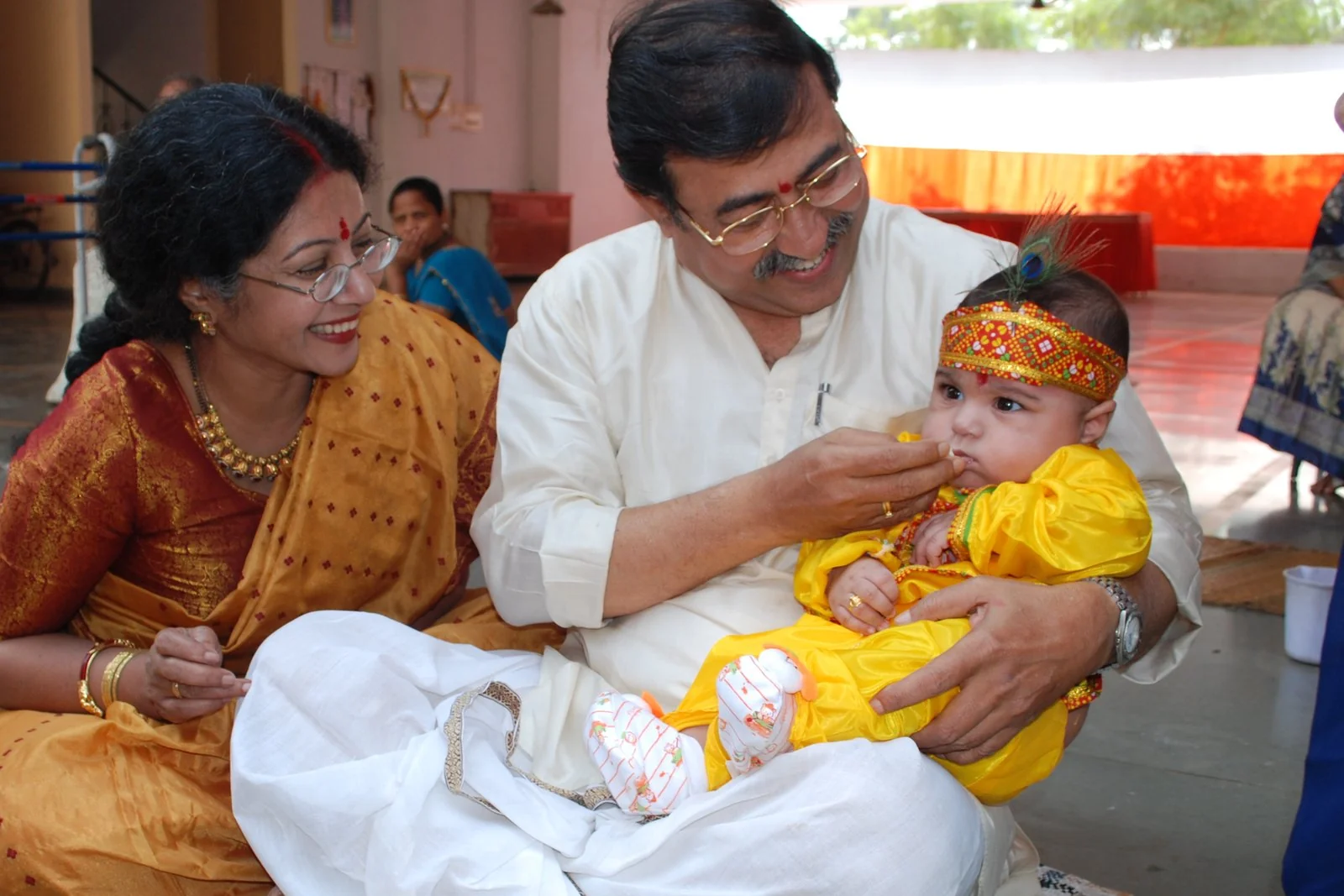
In many Indian homes, a baby’s first taste of rice is a family celebration, the annaprashan. I love that moment, and parents often ask me what comes next: when to start, what to give, and how much. Here is the simple plan I share.
- Key fact: Start complementary foods (foods given alongside milk) at six completed months, and keep breastfeeding up to two years or beyond.
- Key fact: Begin with thick, homemade, mashed food: 2–3 tablespoons, 2–3 times a day, building up slowly.
- Key fact: Keep food mild: at most a tiny pinch of salt or sugar if it is completely bland, no juice before one year, and no whole nuts, grapes, or hard raw pieces.
What is complementary feeding, and why six months?
By about six months, breast milk alone no longer covers all of a baby’s energy and nutrient needs. The World Health Organization notes that starting solids too early or too late can slow growth. The Indian Academy of Pediatrics advises thick, homemade foods at six completed months and prefers “complementary feeding” to “weaning,” because milk feeds should continue, not stop.
Is my baby ready?
Look for steady head control, sitting with support, interest in your food, and opening the mouth for the spoon. Pushing food out at first is normal; it is a new skill.
What should I offer, and how much?
Start with half a spoonful. Good first foods include a mashed rice-and-dal mix, ragi or suji porridge, and mashed banana or cooked vegetables. Make it thick enough to stay on a tilted spoon; a few drops of ghee or oil add energy without adding bulk. Introduce one new food every few days and watch for reactions. Over the next weeks, add daily variety: vegetables, fruit, pulses, curd, and egg, fish, or meat if your family eats them. Iron-rich foods matter a lot at this age (see my guide on iron deficiency anemia).
As a rough guide: 2–3 meals a day at 6–8 months; 3–4 meals plus 1–2 healthy snacks from 9 months, moving to finely chopped and finger foods by 9–10 months; family foods by the first birthday.
What should I avoid?
Keep the taste mild, never extreme. If a home-cooked food is completely bland, a tiny pinch of salt or sugar is fine, but it should never taste salty or sweet. In my practice, I see two problems at the extremes: very salty or sweet food builds a craving for strong flavours, while totally bland food can make babies refuse regular family meals later. Skip biscuits, packaged snacks, and sweet drinks. Babies under 12 months don’t need juice. Avoid choking risks: whole nuts, whole grapes, popcorn, and hard raw fruit or vegetable chunks. Don’t put cereal in a bottle; feed from a bowl and spoon. Wash hands with soap before cooking and feeding.
Feed responsively
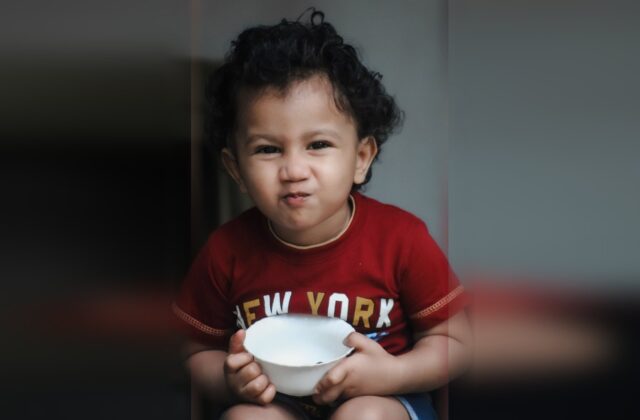
Sit with your baby, talk, and follow their hunger and fullness cues. Turning away or closing the mouth means “enough.” Never force-feed. A new food may need several tries, so offer it again another day.
When should I talk to a doctor?
Some change in stool colour and texture is normal (see constipation in children). Call your pediatrician if stools become very loose, watery, or full of mucus, or if you worry your baby is eating too little or not growing well. Babies with severe eczema or egg allergy need a plan for peanut and other allergy-prone foods. If you’d like a feeding review, you can book a visit.
About the author: This article is written by Dr. Vannala Raju, pediatrician and neonatologist at Cygnet Superspeciality Clinics, Czech Colony, Hyderabad.
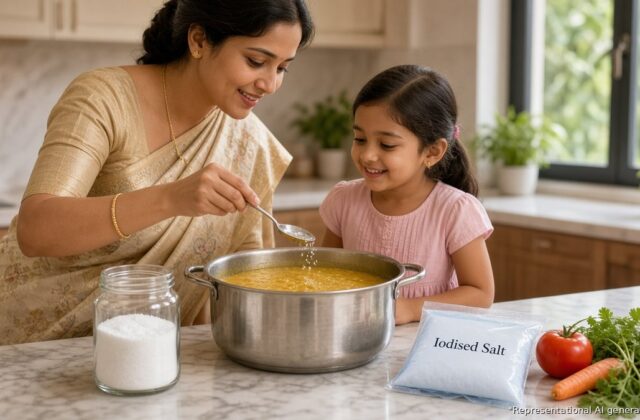
When you start cooking for your baby, use iodised salt for the family pot once salt is introduced after the first year. If your toddler later becomes fussy, see my guide on ending mealtime battles with picky eaters.
Frequently asked questions
Can I start solids at four months?
Breast milk alone is recommended for about the first six months. Discuss any earlier start with your pediatrician.
Should I delay egg, fish, or peanut to prevent allergy?
No. Delaying them does not prevent food allergy. Offer soft, baby-safe forms; check with your doctor first if your baby has severe eczema or egg allergy.
Does my baby need water after starting solids?
A few sips from an open cup with meals is fine. Breast milk or formula still provides most fluids.
What if my baby falls ill?
Breastfeed more often, offer extra fluids, and give soft, favourite foods.
This article is for general information and parent education, not personal medical advice. Please discuss your baby’s feeding, growth, and allergy concerns with a qualified clinician.
Sources: WHO Guideline for complementary feeding of infants and young children 6–23 months (2023); WHO fact sheet: Infant and young child feeding; Indian Academy of Pediatrics: Infant and Young Child Feeding Guidelines, 2016 (Indian Pediatrics); HealthyChildren.org: Starting Solid Foods.

Leave a Reply