
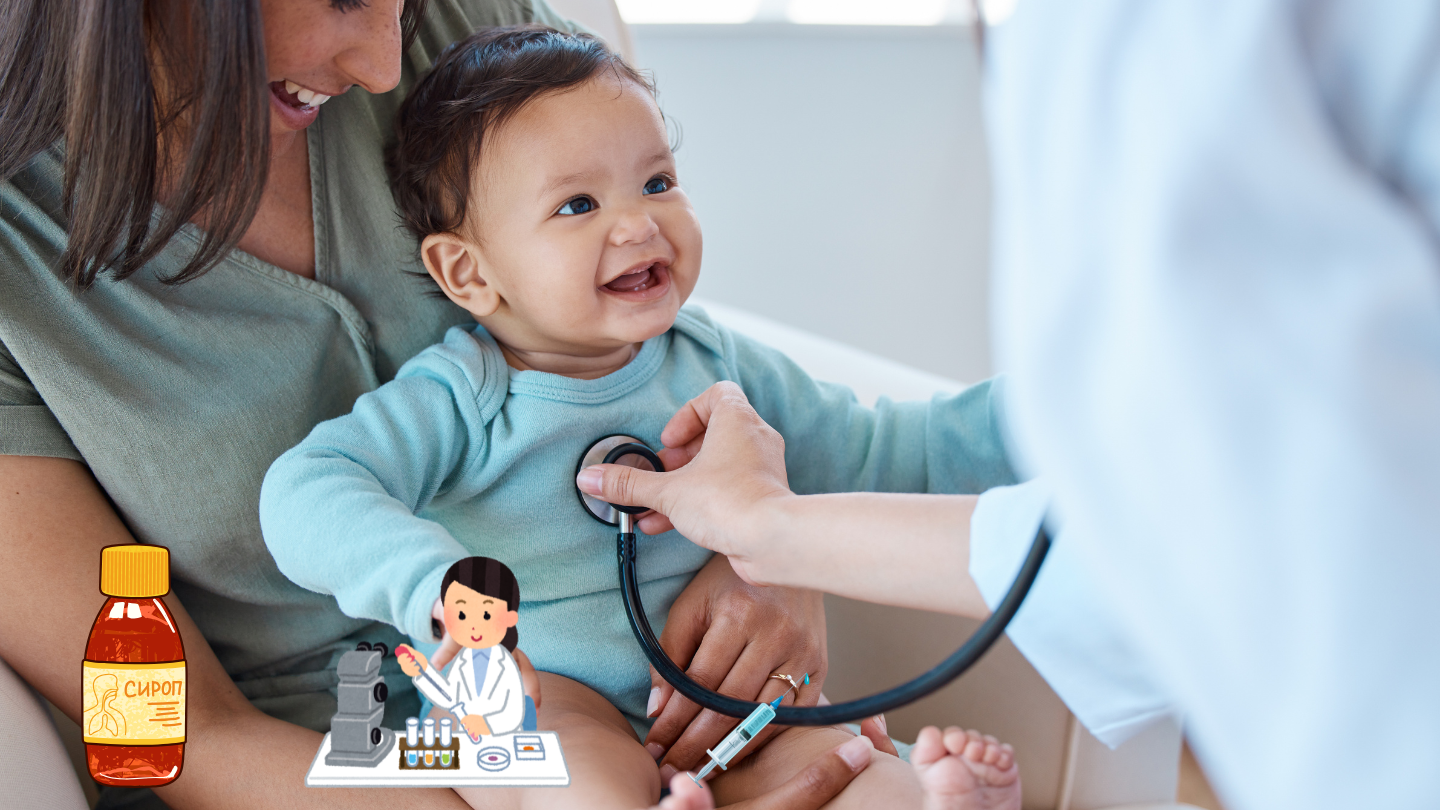
Fever is one of the most common reasons parents bring their child to a pediatrician. While a temperature spike can be alarming, it is often the body’s natural immune response to an infection. Dr. Vannala Raju, a trusted pediatric specialist in Hyderabad, helps families navigate fever management with clinical precision and reassuring guidance.
With years of hands-on experience in diagnosing and treating childhood infections, Dr. Raju ensures that every child receives accurate assessment and timely, evidence-based treatment.
When Does Fever Need Medical Attention?
Not all fevers require a hospital visit, but certain warning signs demand prompt evaluation:
- Fever in newborns under 3 months: Any temperature above 100.4°F (38°C) is a medical emergency.
- Persistent high fever: Temperature above 103°F (39.4°C) lasting more than 2–3 days.
- Febrile seizures: Convulsions triggered by rapid temperature rise — requires immediate care.
- Associated rash, stiff neck, or difficulty breathing: Possible signs of bacterial meningitis or serious systemic infection.
- Immunocompromised children: Children on chemotherapy, steroids, or with congenital immune deficiencies require extra vigilance.
Common Infections Managed by Dr. Raju
- Upper Respiratory Tract Infections (URTI): Cold, tonsillitis, ear infections (otitis media), and sinusitis.
- Lower Respiratory Tract Infections: Pneumonia, bronchiolitis, and asthma-related respiratory episodes.
- Gastrointestinal Infections: Viral gastroenteritis (stomach flu), bacterial food poisoning, and rotavirus diarrhea.
- Urinary Tract Infections (UTI): Diagnosed and managed with targeted antibiotic therapy.
- Skin Infections: Impetigo, cellulitis, and viral exanthems like chickenpox and hand-foot-mouth disease.
- Dengue & Malaria in Children: Differential diagnosis and evidence-based management in endemic regions.
Our Approach to Treatment
Dr. Raju follows a conservative, antibiotic-stewardship approach — meaning antibiotics are prescribed only when truly necessary. Viral infections are managed with supportive care, hydration, antipyretics, and careful monitoring. This protects children from antibiotic resistance and unnecessary side effects.
Parents receive clear, written guidance on fever management at home, warning signs to watch for, and when to return for follow-up — empowering families to make informed decisions about their child’s health.