
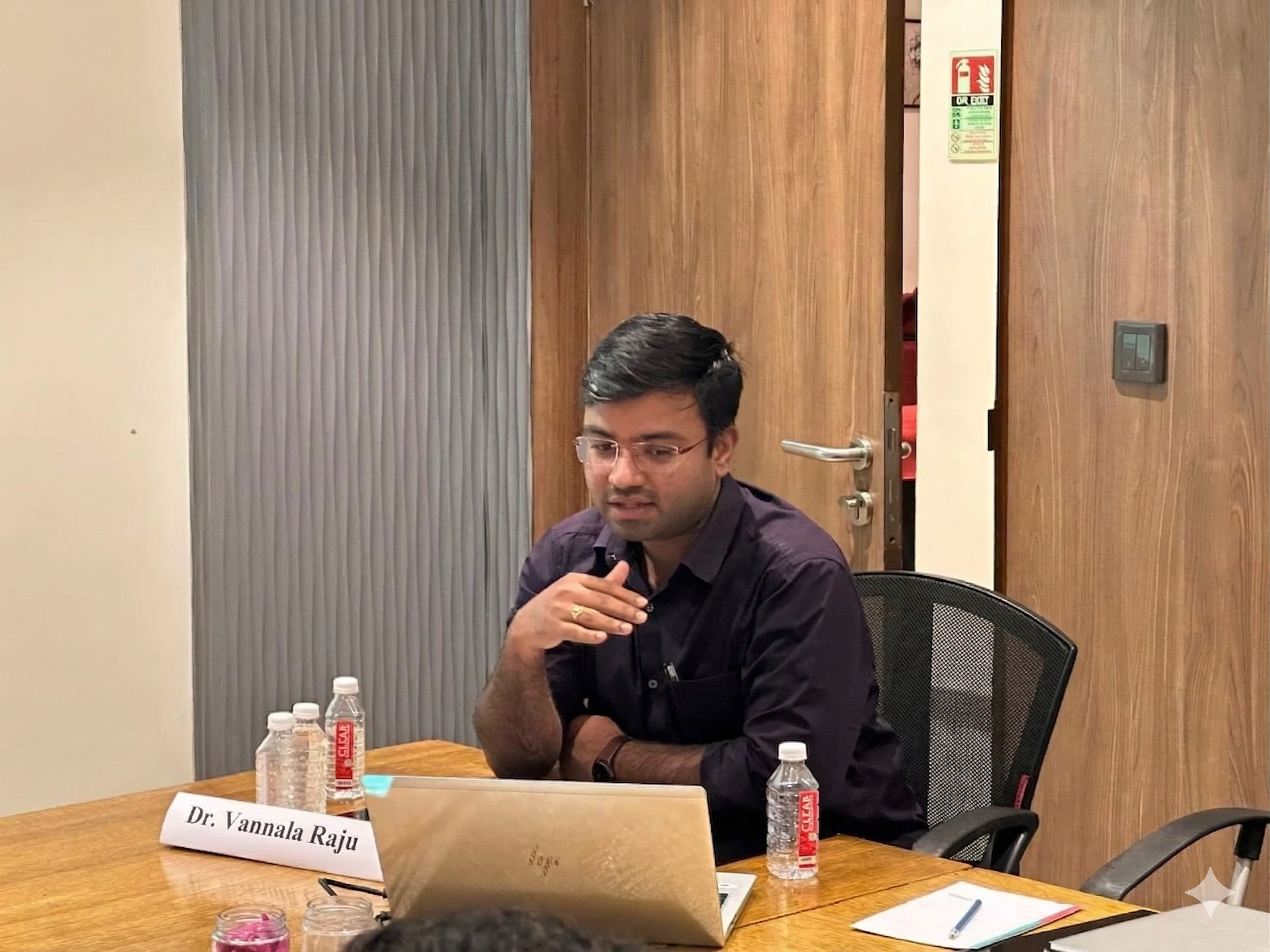
Beyond the Buzzword: “Digital-Ready”
As a pediatrician and someone deeply invested in the intersection of healthcare and technology, I often find myself in conversations about the “future of digital health.” However, a recent experience reminded me that this future isn’t some distant horizon—it is happening right here, right now, in the clinics and hospitals across our city.
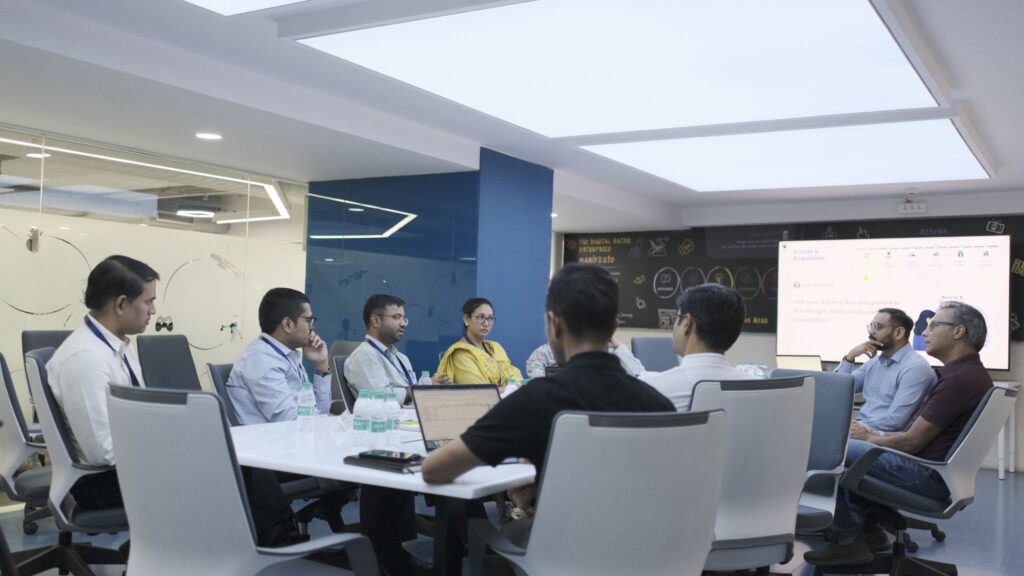
I recently had the pleasure of attending a Digital-Ready Hospital Leadership Roundtable hosted by the team at [x]cube LABS](https://www.linkedin.com/posts/xcubelabs_healthcareleadership-digitalhealth-patientexperience-activity-7457037750672977920-dfBv/). Sitting in a room filled with senior healthcare decision-makers, the energy was palpable. It wasn’t just another networking event; it was a candid, “on-the-ground” conversation about the reality of digital transformation in our sector.
I felt a Shared Mission, A Common Reality
The most striking takeaway from our discussion was the collective realization that we are all, in various capacities, already “digital-ready.”
Too often, the narrative surrounding digital transformation suggests that hospitals are struggling to catch up. In reality, the leaders I spoke with are already deeply embedded in this journey. Whether it is refining patient workflows, implementing electronic health records (EHR), or leveraging data to personalize care, we are all striving toward the same goal: putting the patient at the center of the care journey.
As one of my colleagues rightly pointed out during our session, digital layers are powerful tools, but they are only as effective as the processes they support. True digital readiness isn’t just about adopting the latest software; it is about scrutinizing our existing internal processes, streamlining them for scalability, and then applying technology to amplify that efficiency.
Technology as an Enabler, Not a Replacement
We are at a point where technology has become an extension of our clinical practice. From faster diagnostic capabilities to seamless appointment scheduling, these tools are helping us reduce the “friction” that often hinders patient experience.
When we talk about being “digital-ready,” we are really talking about being ready to serve better. By automating administrative burdens, we free ourselves to do what we do best: provide empathetic, high-quality care to our patients.
Looking Ahead
I want to extend my sincere thanks to the team at [x]cube LABS for curating such a grounded and insightful roundtable. The honesty shared by everyone in that room—Dr. Krishna Kandala, Venkat Krishna Alapakam Reddyvari, Deepti G, Dr. Arun Kumar Reddy Gorla, Dr. Inayath Ullah G., and Dr. Basava Malleswara Rao V.—made it clear that we are all part of a vibrant, evolving ecosystem.